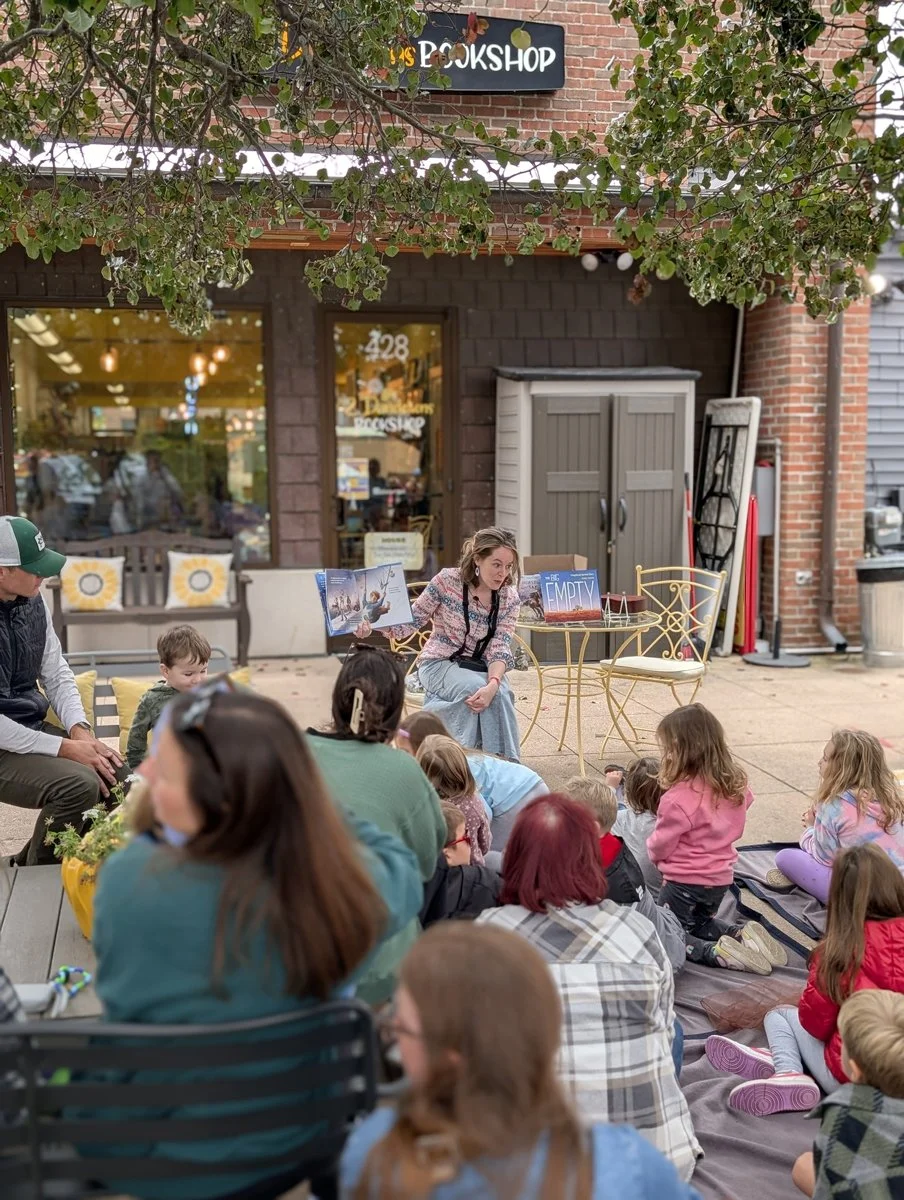
September Hootenanny At 2 Dandelions Bookshop
Come to 2 Dandelions Bookshop September 19th. Singing, reading and all around Hootenanny! Kick off back to school with a store time go home with a coloring page from Kirbi Fagan. All are welcome to join. No reservations are required - we hope to see you there.
Time:11:00am
Place:
2 Dandelions Bookshop
428 W. Main Street
Brighton, MI 48116-1737
When the weather allows, we will gather outside on our patio, so please dress accordingly. In the event of cold/inclement weather, we will gather inside by the picture books.
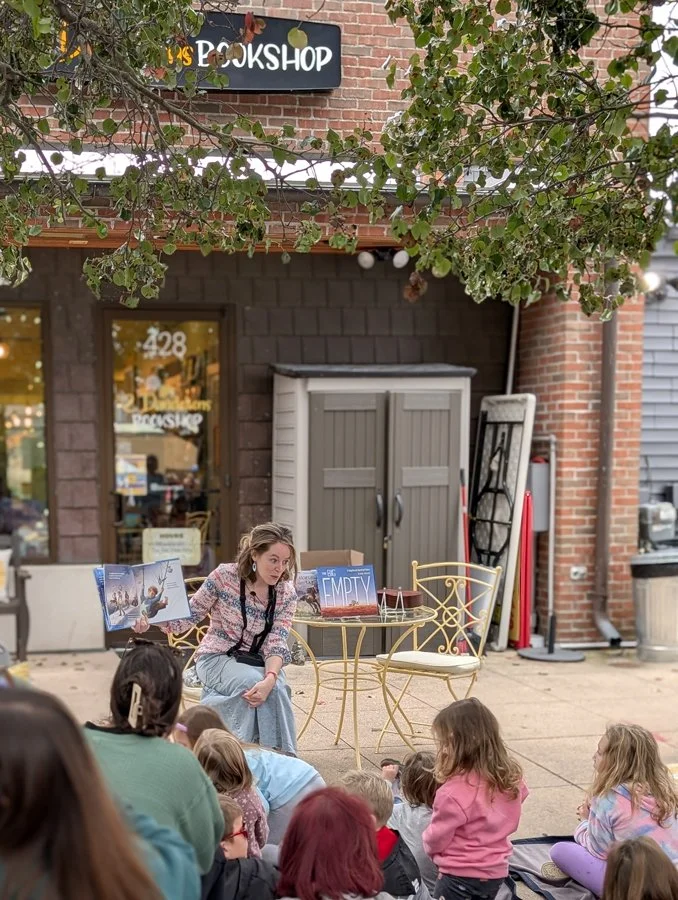
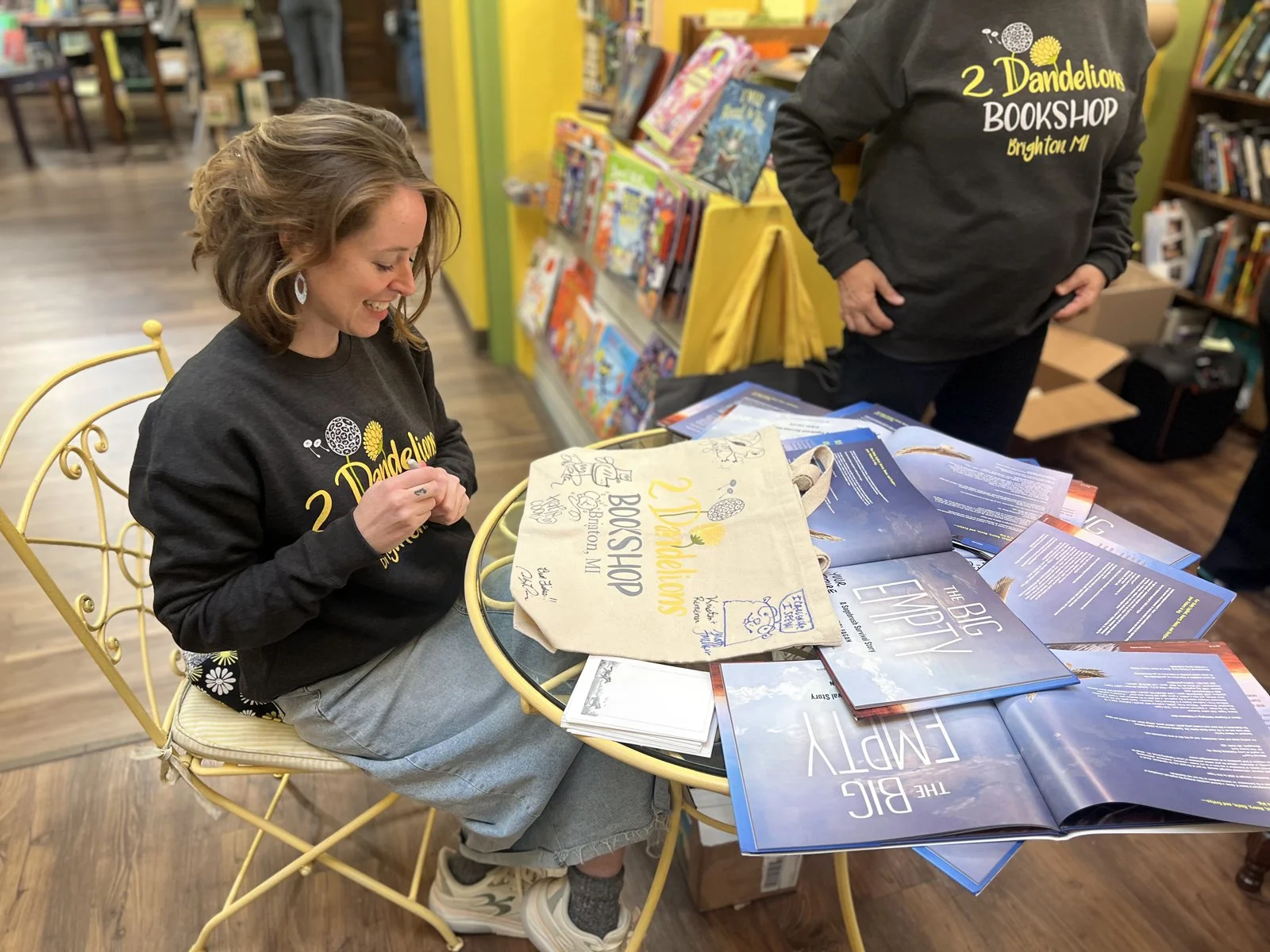
Kirbi Fagan reads a picture books at 2 Dandelion Bookshop in Brighton Michigan.
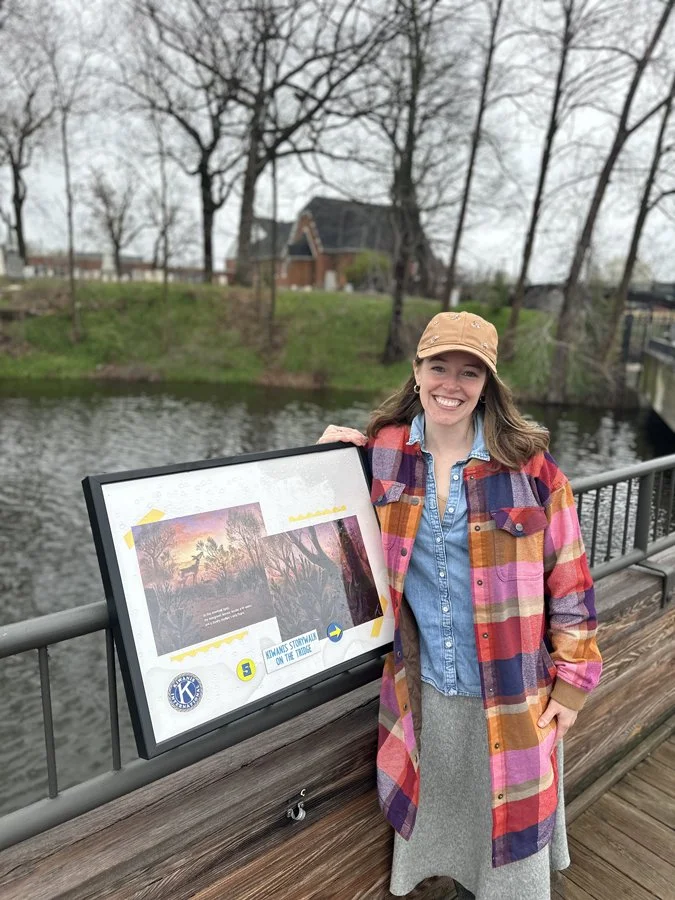
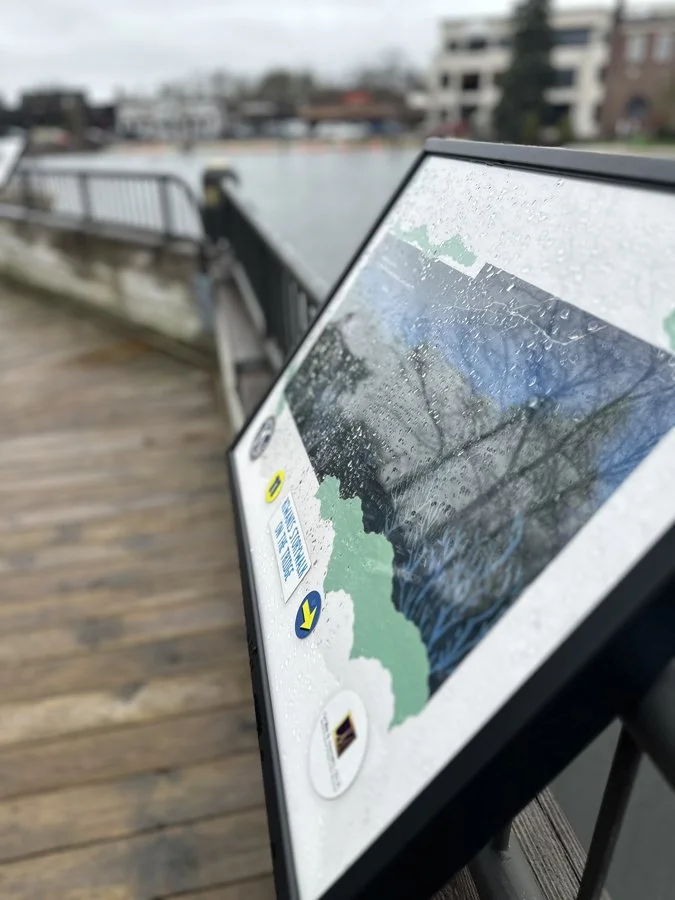
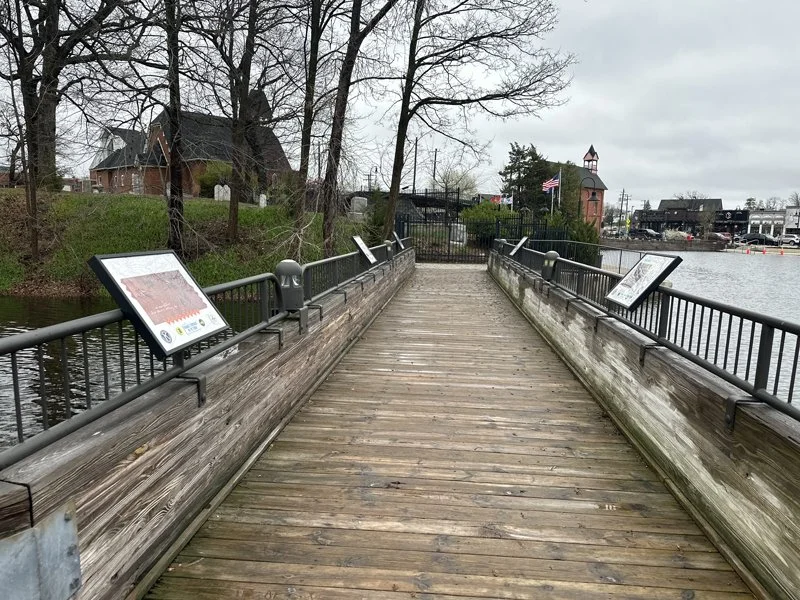
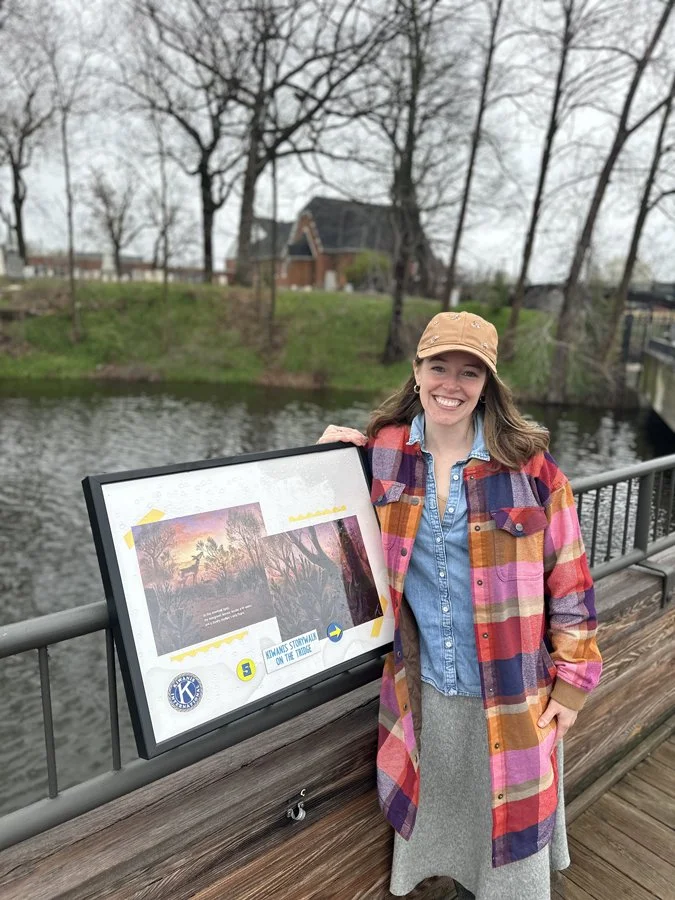
StoryWalk book in downtown Brighton, MI
There's a new StoryWalk book in downtown Brighton on the Tridge: "The Big Empty."
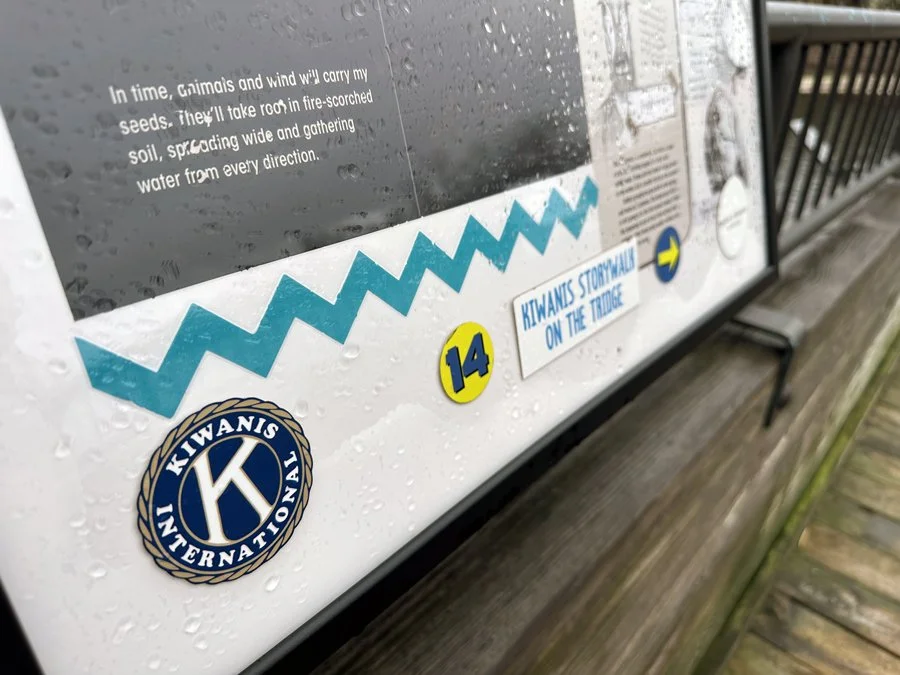
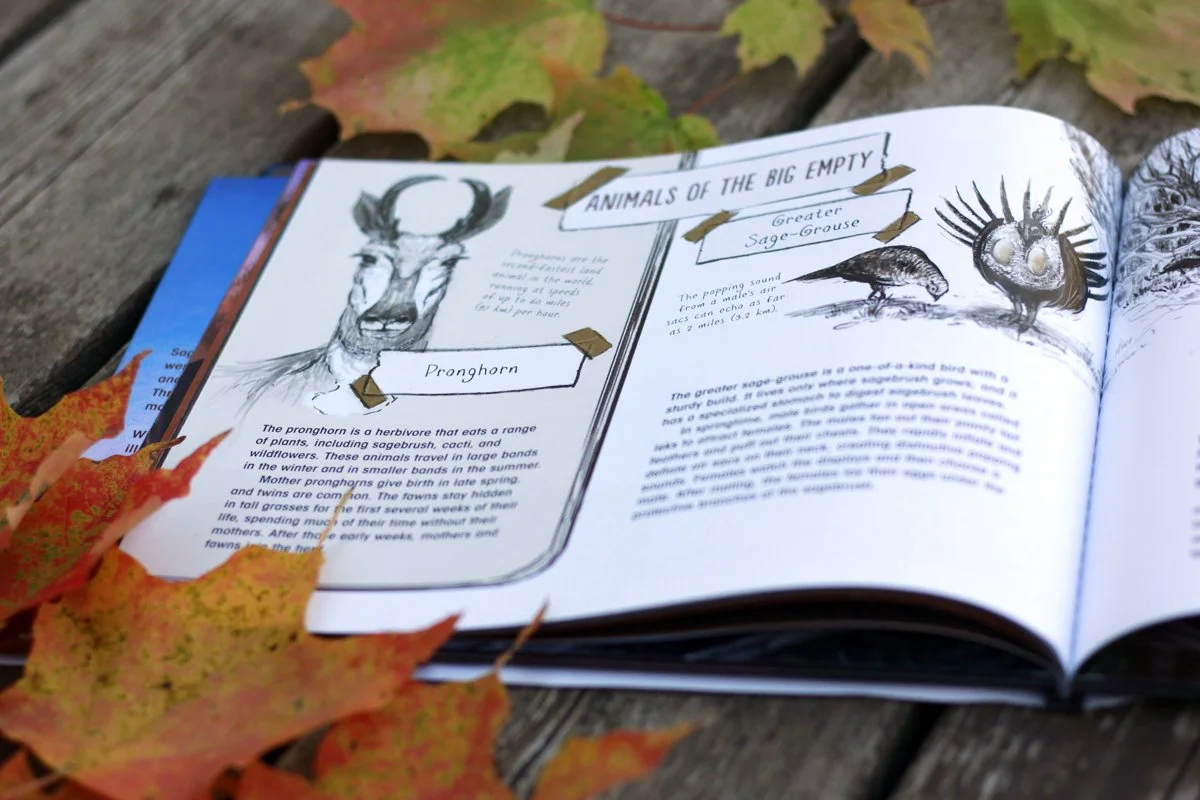
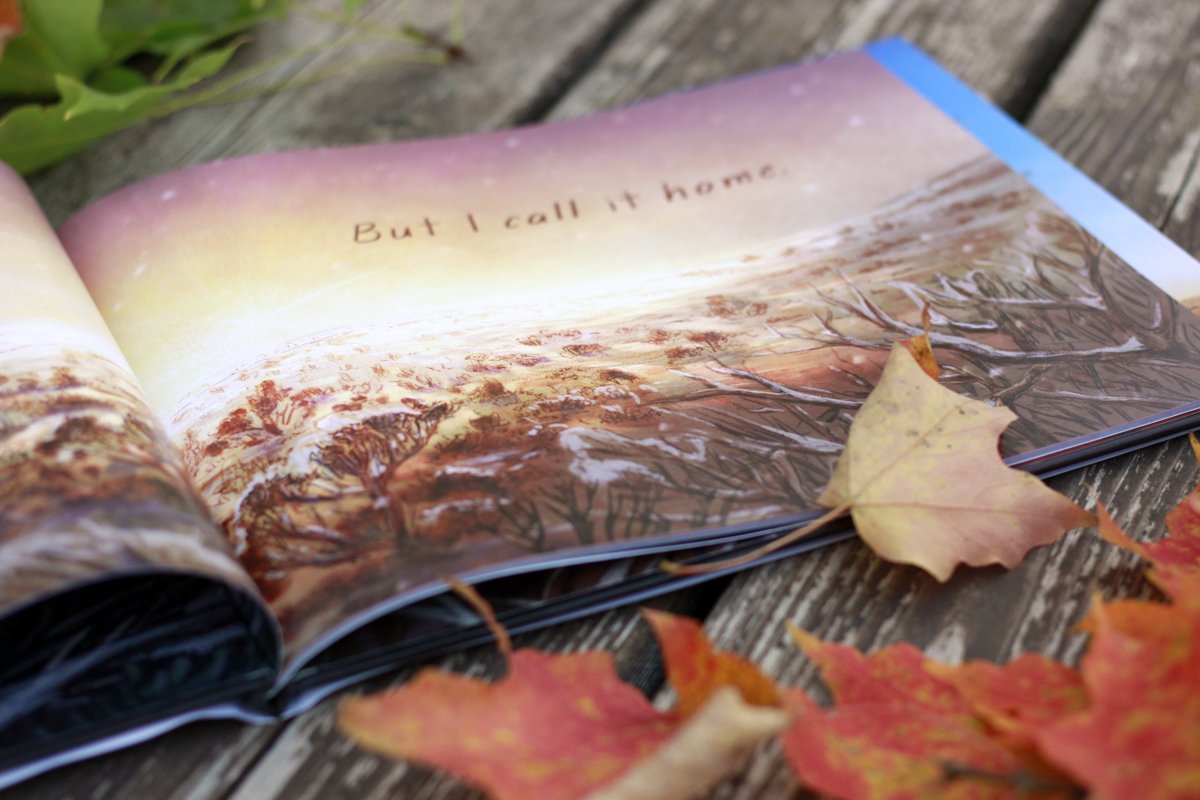
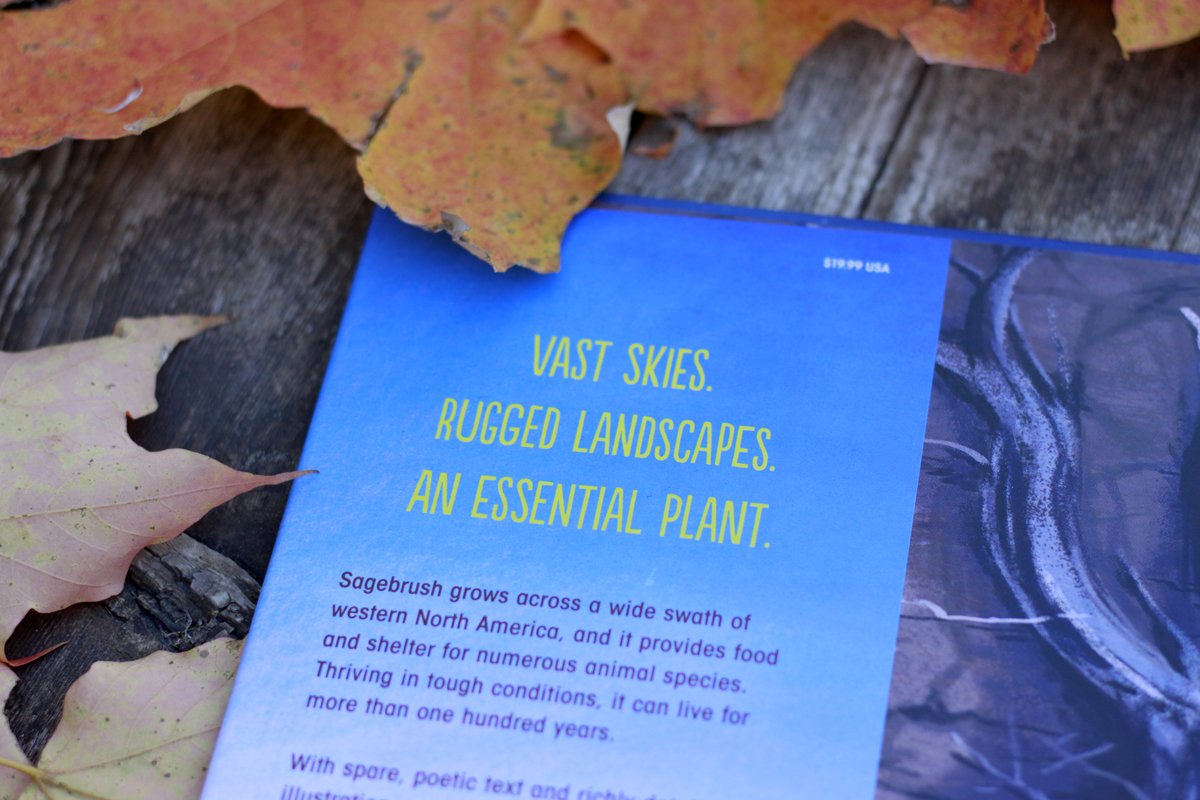
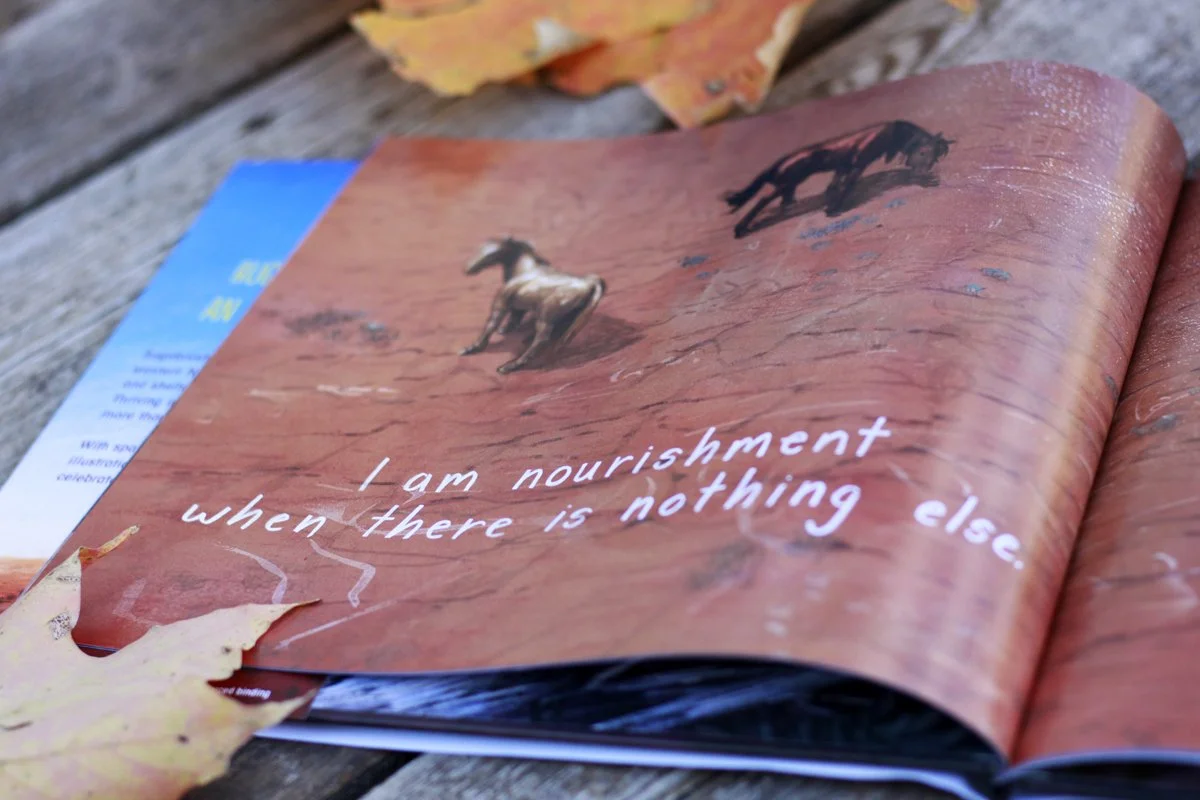
In spare, poetic text written from the point of view of big sagebrush, readers are transported to the vast landscape of western North America. This incredibly resilient plant, which can live as long as one hundred years, provides food and shelter as well as shadows to conceal both predators and prey. After a wildfire passes through, it grows again and will thrive once more. Michigan author and illustrator Kirbi Fagan captures the beauty of this essential plant in her lyrical words and richly detailed illustrations.
Hear Kirbi read this book at 2 Dandelions Bookshop's storytime on Saturday, April 18 at 11 a.m.
This StoryWalk is made possible by Kiwanis Club of Brighton.
Free Educator Resource for Ecosystem Lesson Plans For Kids
Unlock a Deeper Learning:
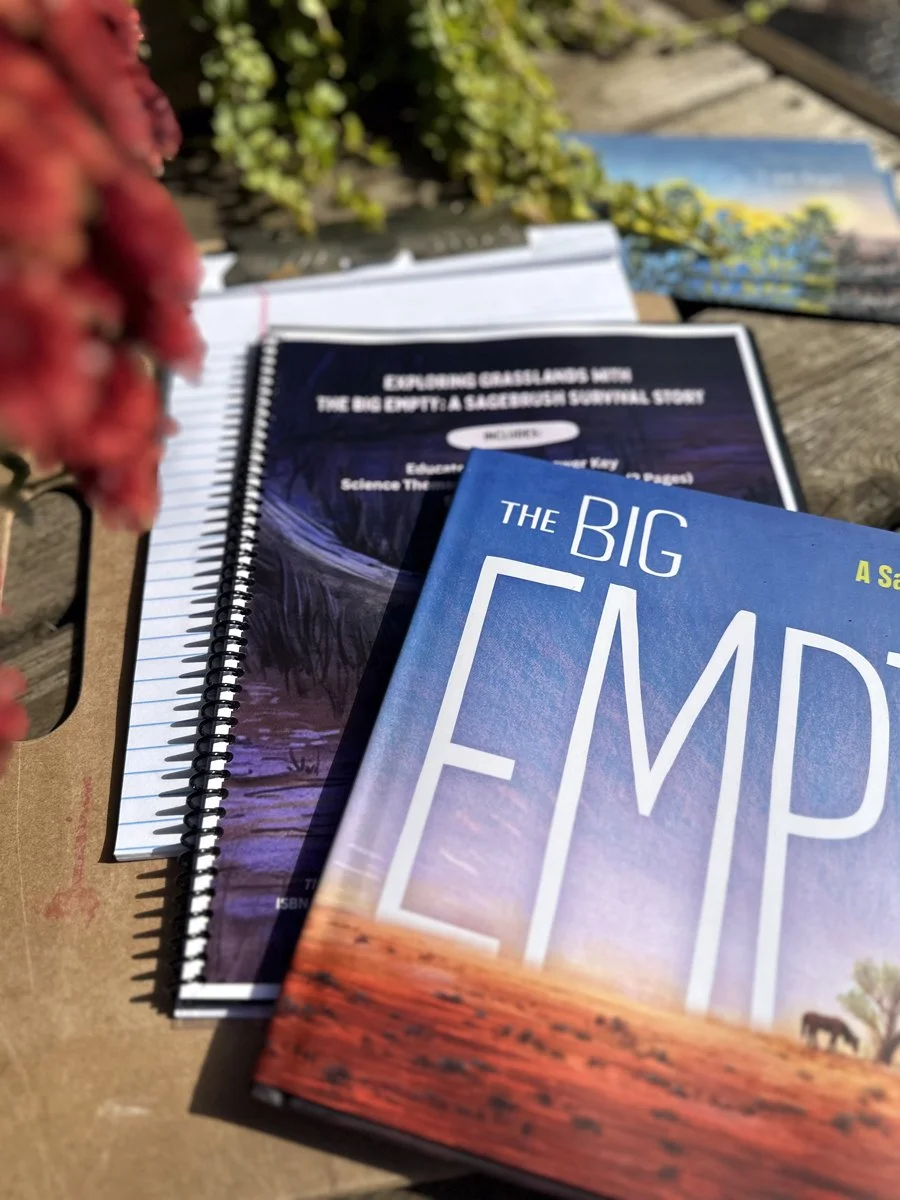
Teachers are busy, lesson planning is overwhelming, and finding engaging new resources for habitat and ecosystems lessons isn’t easy. That’s why we created this guide for The Big Empty teaching guide.
The educator guide is a classroom resource with ready-to-use printable worksheets and activities that make teaching K-4 students about North American grasslands, resilience, and conservation simple and exciting.
The Big Empty by author-illustrator Kirbi Fagan is “a sagebrush survival story” that teachers and homeschoolers can use to introduce SEL through picture books. Told from the perspective of a sagebrush who calls “the big empty” home, readers are taken on a journey of the plant’s resilience despite the harsh environment and discover the importance it plays in helping the animals around it survive.
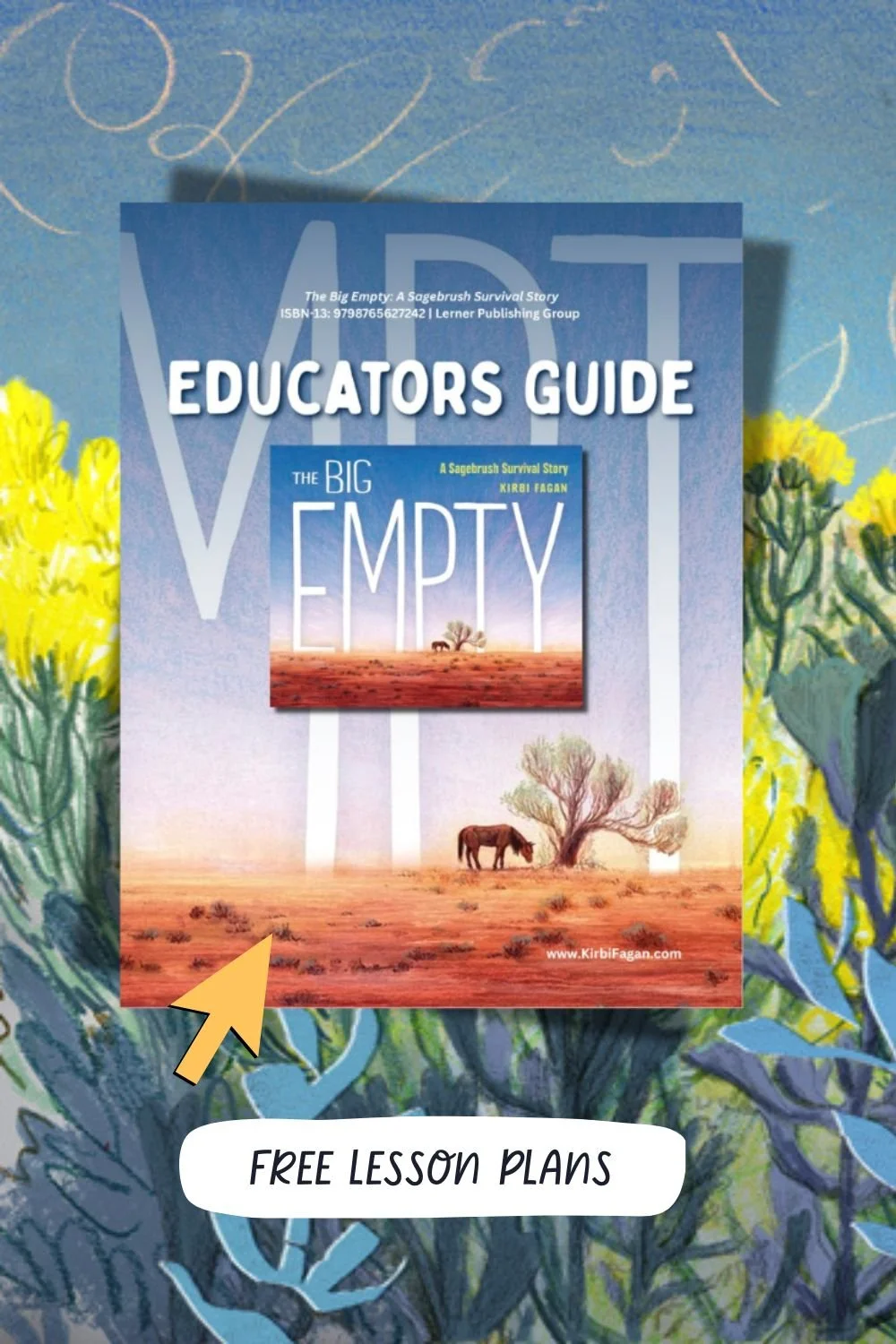
A Look Inside: Unleash the Learning Layers of The Big Empty
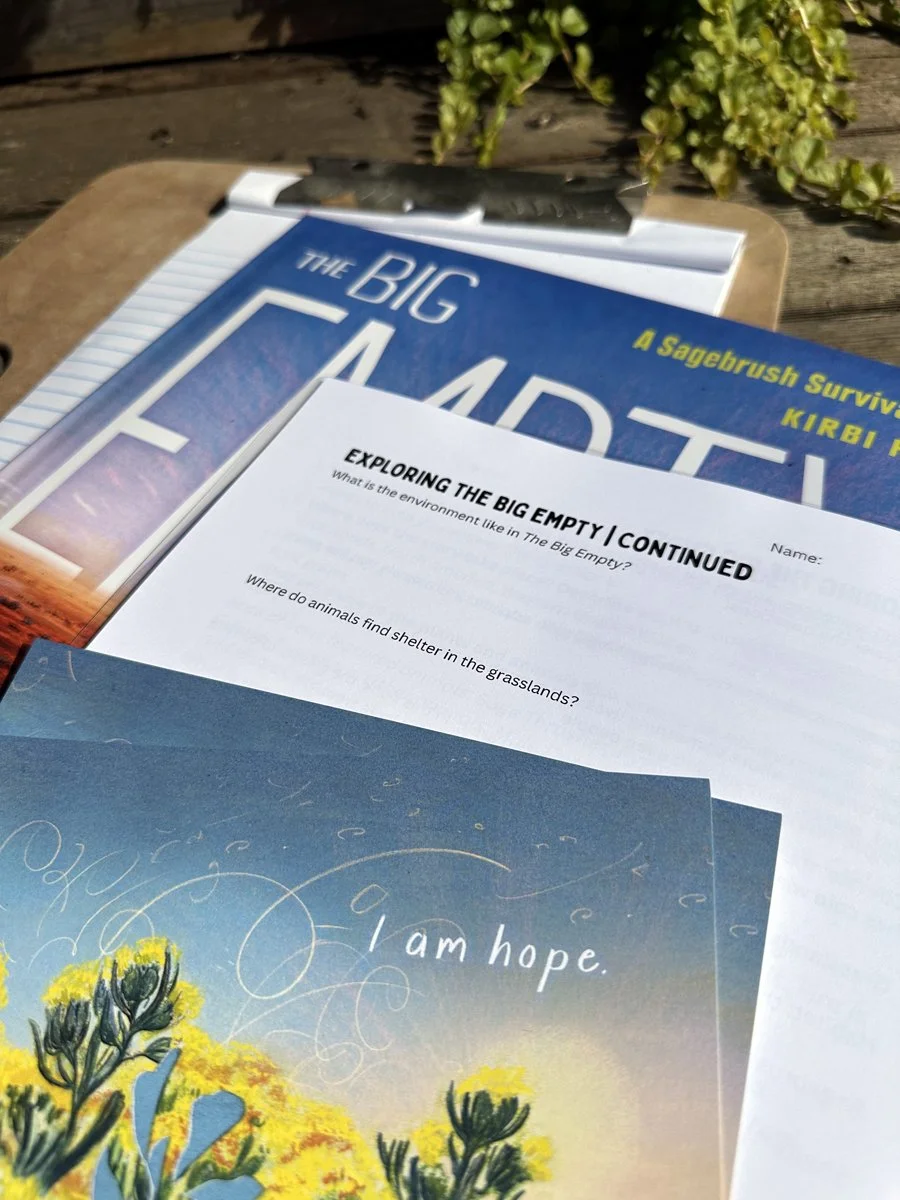
The educator guide provides the tools you need to create a no-prep, 3-5 day lesson plan focused on ecosystems and environments. Inside, you will find photocopy-ready worksheets and activities that align with Common Core skills and can be used as a cross-curricular application.
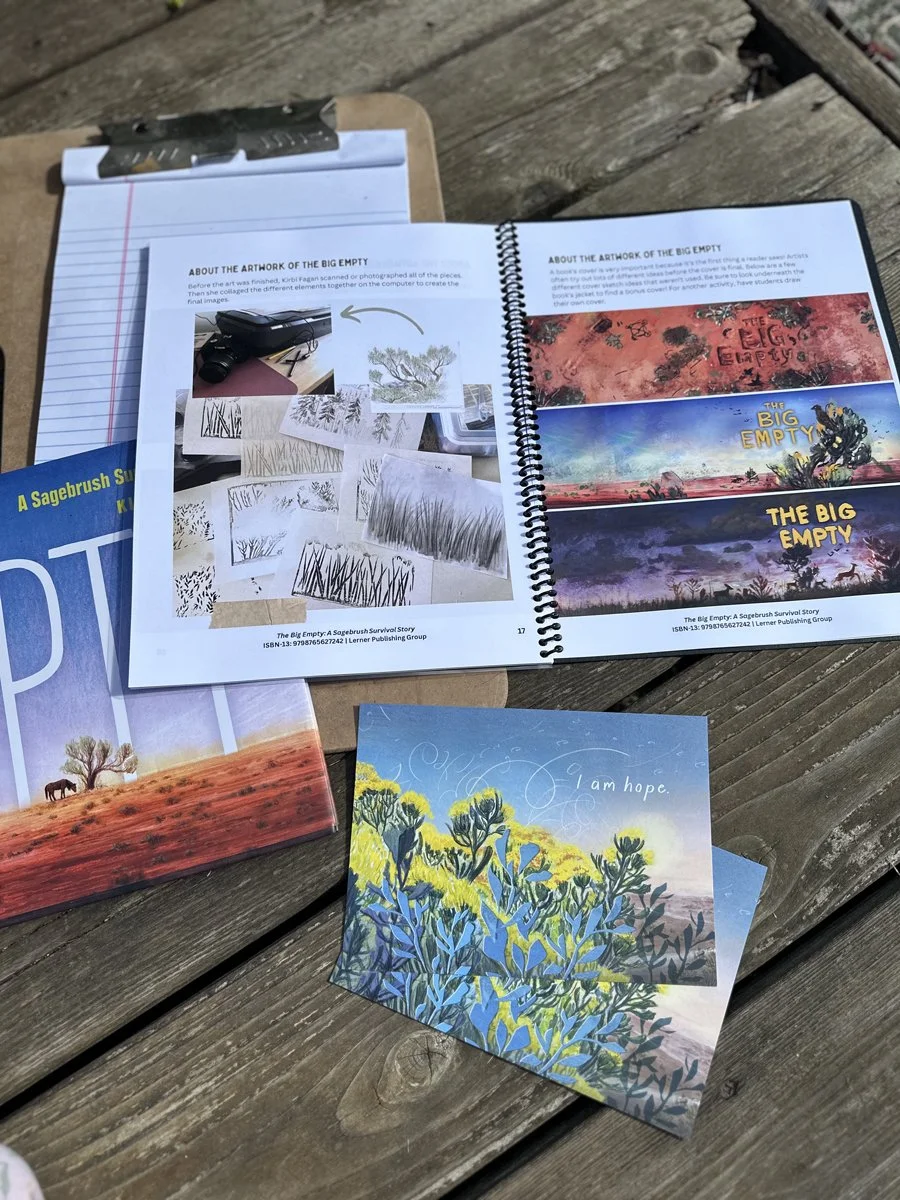
The Big Empty teaching guide contents:
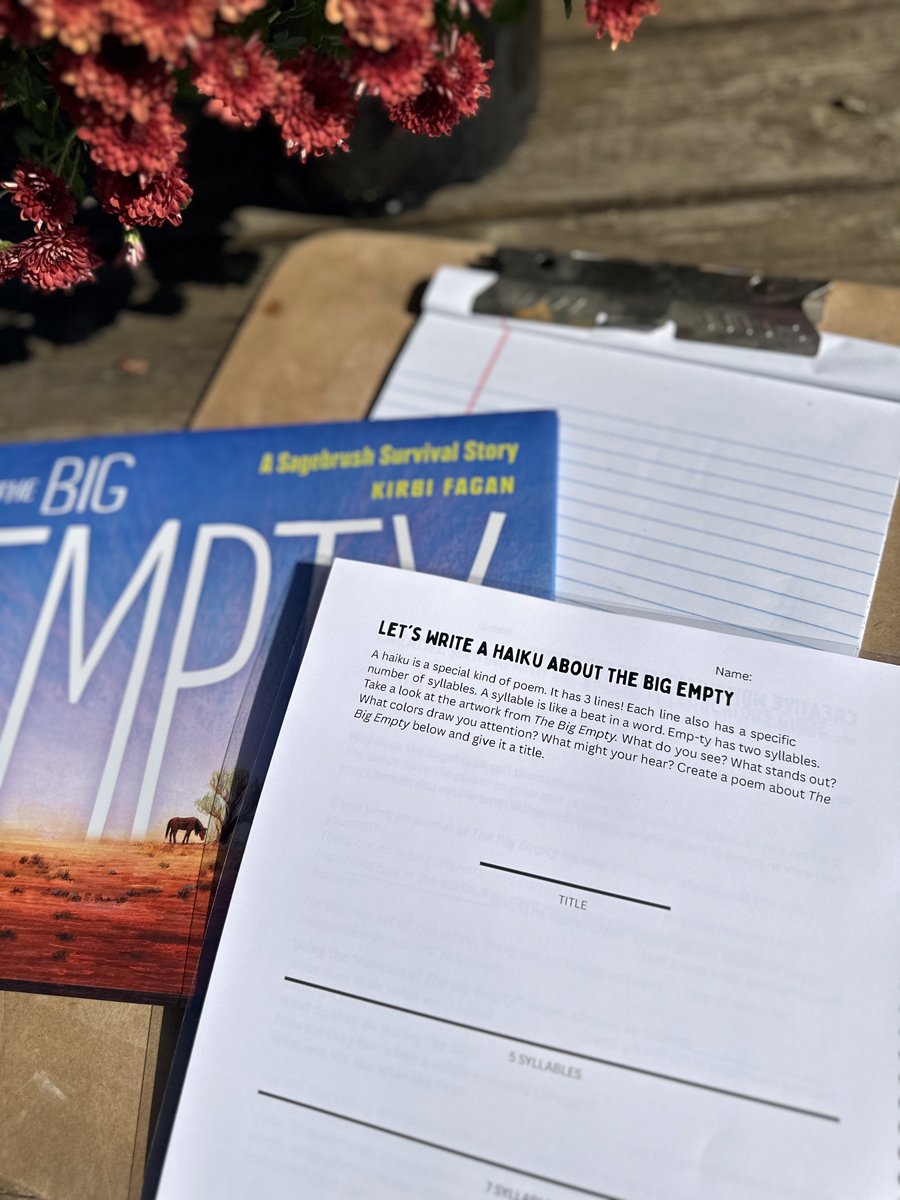
Creative Writing Activities: Creative writing reflection questions (answer key included), a “write from the animals perspective” story prompt, and a Haiku worksheet
Science Activities: Science-themed reflection questions with answer key and vocabulary
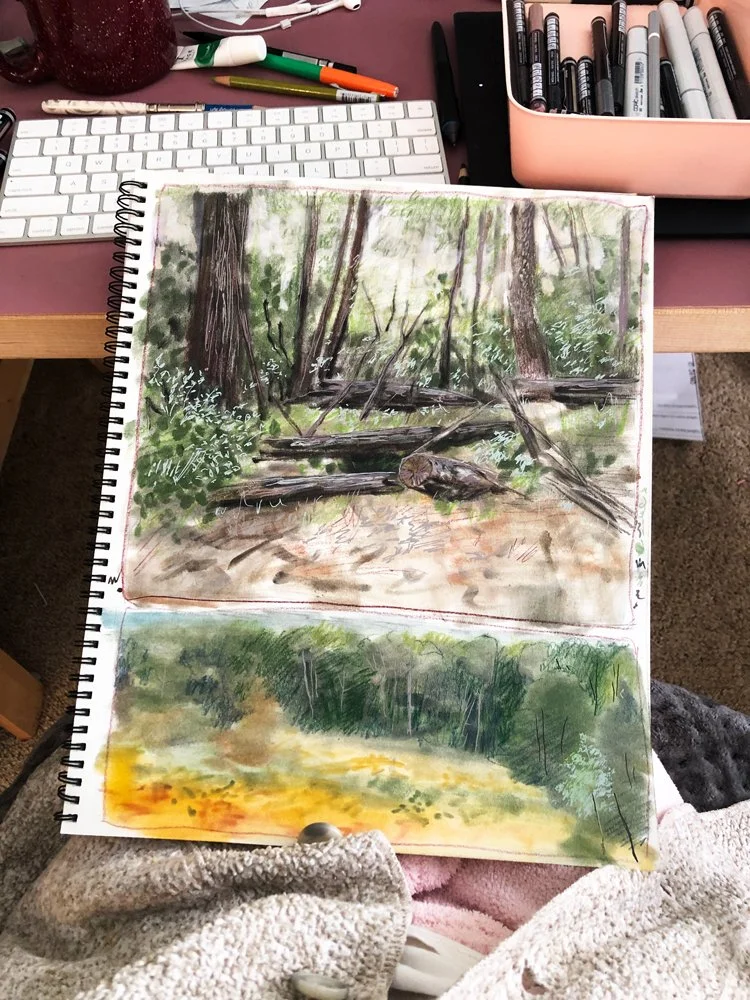
Artwork Discussion and Activities: Behind-the-scenes pictures, techniques and tools from the artist, an exclusive look at unused cover sketches, and art activity ideas like sketching a sagebrush and creating your own book cover
Your Lesson Map: Pacing Your 3–5 Day Lesson
Just like the book itself, the educator guide can be used for grades K-4.
For younger students (grades K-2), the creative writing and science reflection questions can be read out orally instead of being answered in written form. The haiku worksheet is an excellent way to introduce rhythm and descriptive language.
For older elementary students (grades 2-4), elevate the lesson by focusing on application. Students can use the grasslands science vocabulary and “exploring grasslands” questions to activate critical thinking. Pair this work with a research assignment, challenging students to study a grassland species of their choice. The story prompt then serves as a creative outlet, encouraging them to write descriptive, multi-paragraph stories about “animals from the big empty.”
Step-by-Step: Teaching Ecosystems with The Big Empty
1. Before ReadingThe Big Empty
When creating an ecosystem lesson plan for elementary-gradestudents, the goal is to build background knowledge, introduce key vocabulary, and spark their curiosity about the topic.
To accomplish this, use the “Exploring Grasslands” and “Letter from the Author” sections of The Big Empty teaching guide:
Build background knowledge by
Showing photos or maps of North American grasslands along with the “Exploring Grasslands” section to describe what the landscape looks like.
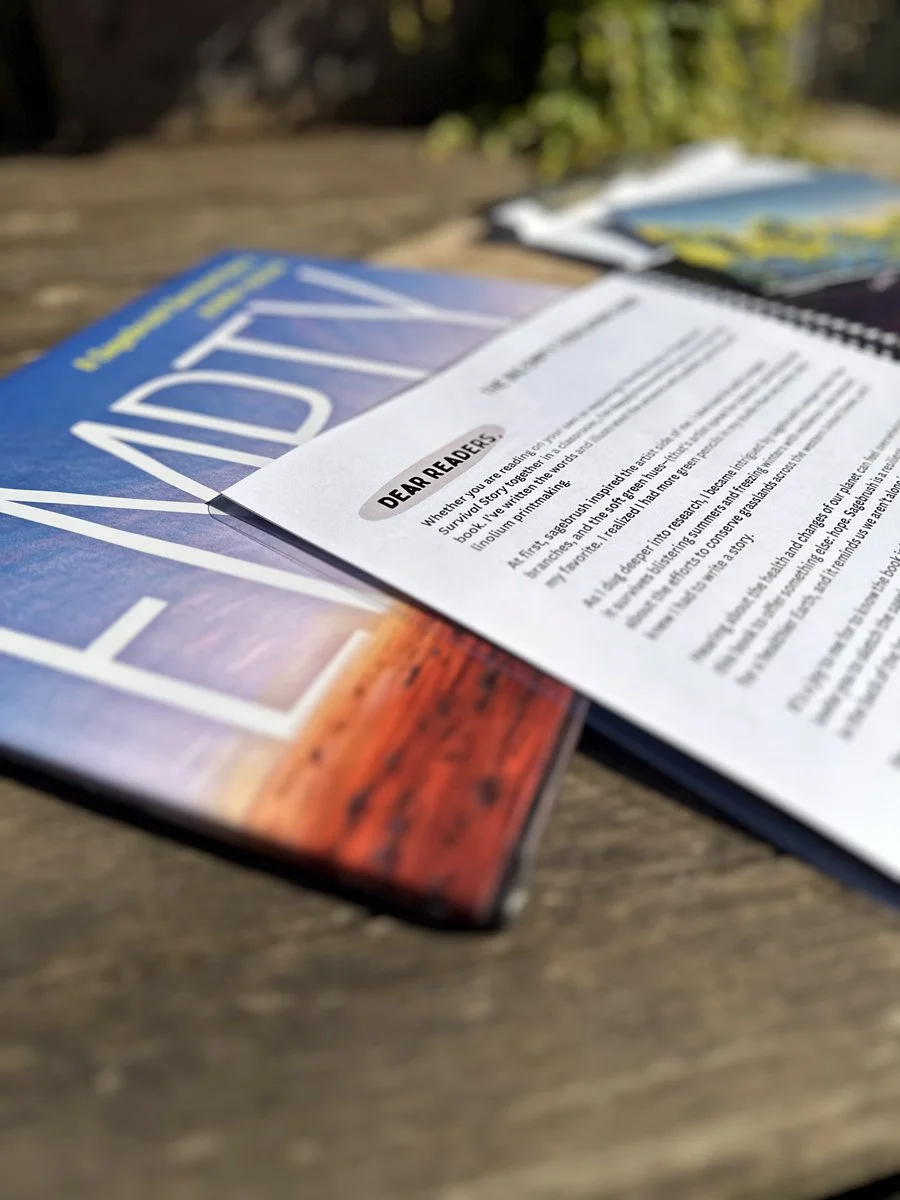
Read the author’s note to discuss what inspired the story and what sagebrush is.
Introduce key vocabulary by
Pre-teaching the vocabulary science words from the “Exploring Grasslands” section
Use the keywords provided to create a visual word wall or vocabulary matching game.
Spark curiosity by:
Asking your students: “What do you think life is like for plants and animals in a place called The Big Empty?”
Have students predict what the story might teach about survival or resilience.
2. While Reading The Big Empty
With your class now equipped with the vocabulary and background on the Big Empty landscape, you are ready to begin the read-aloud. The key goal during this phase is to turn listening into active participation:
Guided questions:
Use the worksheet from the creative writing section and have students answer the questions as you read through the book.
Read-aloud prompts:
Pause to discuss sensory details: “What colors do you imagine?” “What might you hear in the wind?”
Have students act out how animals might move or react to changes in weather.
Class discussions:
Explore themes of resilience and hope.
Connect to real-world topics, such as wildfires, conservation, or climate.
3. Wrapping Up The Lesson Plan
After reading through The Big Empty, you can deepen students’ understanding through reflection and cross-curricular connections. You can use pieces of all three sections from the educator’s guide:
Reflection activities:
Have students write or share “If I were an animal in The Big Empty…” stories
Discuss what “hope” means to them personally, as a class or in small groups.
Writing projects:
Use the Haiku worksheet for poetry inspired by the book’s artwork.
The story prompt challenges students to apply the new vocabulary as they write from an animal’s perspective.
Art projects:
Ask students to recreate sagebrush using pastel, pencil, or linocut-style printing.
Using the unused book covers provided in the educator packet, students can create their own book cover.
Beyond the Book: Cross-Curricular Applications for The Big Empty
The Big Empty educator guide goes beyond a traditional reading activity. It connects every subject like pieces of an ecosystem. With one story, teachers and homeschoolers can nurture creativity, curiosity, and compassion across multiple subjects, including SEL.
Science: Students can connect how environmental changes within ecosystems affect the plants and animals that call it home through critical thinking.
Language Arts: The creative writing prompt encourages students to reflect on their role while developing narratives about protecting the environment.
Social-Emotional Learning (SEL): By focusing discussion questions on the sagebrush’s internal dialogue and external survival, educators can easily transform science and ELA activities into powerful lessons on perseverance and the ability to find hope even after loss.
Why Teachers Love No-Prep Educator Guides
There are many reasons teachers and homeschoolers alike lean on a ready-made educator’s guide… and The Big Empty teaching guide is no exception. It’s designed to make planning easy, instruction engaging, and learning meaningful across multiple subjects.
Saves valuable prep time, leaving more time for teaching, interacting with students, and grading previous work.
The guide is flexible and works in any learning environment (in-person, remote, and hybrid).
The activities encourage creativity and critical thinking, which promote deeper comprehension and self-expression.
They can also be adapted to work multiple grade levels, which is great for mixed-grade classrooms.
The Lasting Learning Outcomes of The Big Empty
The Big Empty educator guide is powerful because it easily brings learning to life across multiple subjects. Whether your focus is science, writing, or social-emotional growth, each activity encourages curiosity, creativity, and meaningful connections.
Here is a clear look at the lasting skills and comprehension goals your students will achieve across each subject area.
Language Arts & Writing – The student will be able to:
Analyze the story’s message about resilience, survival, and hope in nature.
Make text-to-world connections by discussing real-world topics such as wildfires, conservation, and climate.
Use sensory details and emotional language to write from an animal’s perspective in the grasslands.
Integrate science concepts into creative writing (using learned vocabulary within stories or poems)
Science – The student will be able to:
Demonstrate an understanding of ecosystems and habitats, specifically grassland environments.
Use key science vocabulary accurately in speech and writing.
Explain how plants and animals adapt to the grassland ecosystem while also depending on each other for survival.
Recognize the importance of environmental conservation and how small changes affect ecosystems
Art & Visual Literacy – The student will be able to:
Explore the process of book illustration through behind-the-scenes artwork, unused cover sketches, and artist techniques.
Experiment with artistic methods such as pastel, pencil, or printmaking to recreate textures found in nature.
Spark their creativity by designing their own book covers inspired by the story’s themes or setting.
Develop an appreciation for how art and text work together to communicate the story and create emotion.
Social-Emotional Learning (SEL) – The student will be able to:
Practice empathy by adopting the perspective of a plant or animal to imagine its emotional state and survival needs.
Reflect on the concept of hope and resilience both in nature and their personal lives.
Collaborate respectfully in partner or group discussions and art projects.
Build confidence in self-expression through creative writing and visual storytelling activities.
Your Complete, Cross-Curricular Resource Awaits!
The FREE Big Empty teaching guide from Lerner Publishing Group is a ready-to-go resource that helps turn any classroom into an ecosystem of learning. With creative writing, science, and art activities already planned out, it’s one less thing to prep, and one more way to nurture curiosity in every student.
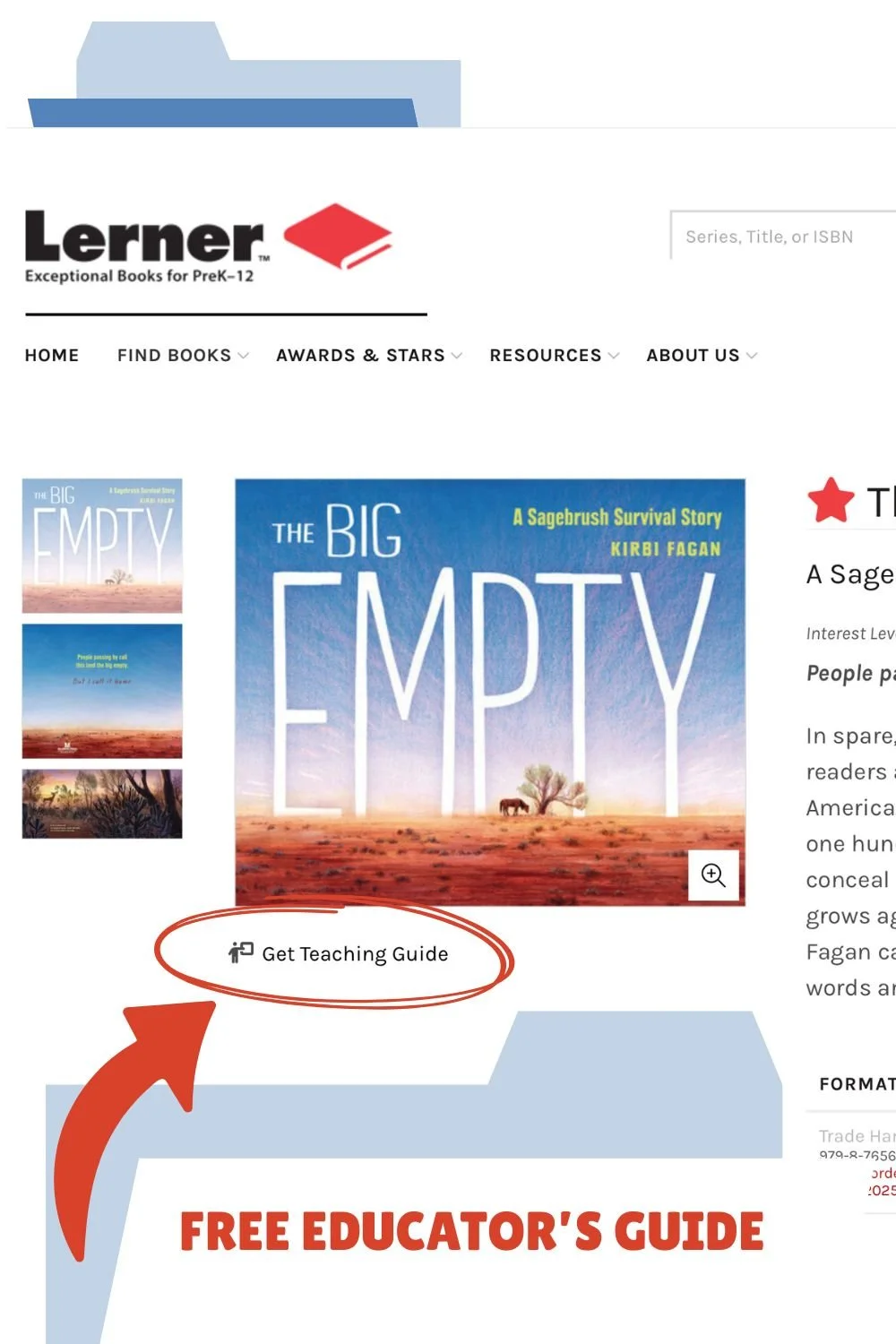
Get Your Free Educator Packet Here!
Share the guide with a fellow educator and keep the learning going by exploring more children’s books about ecosystems and the powerful connections between plants, animals, and people.
The post was written by Courtney Novack
Download Civilian Conservation Corps Info-Graphics For Elementary Classrooms
See more images and infographic for classrooms for American history and the Civilian Conservation Corps.
Learn more about the CCC
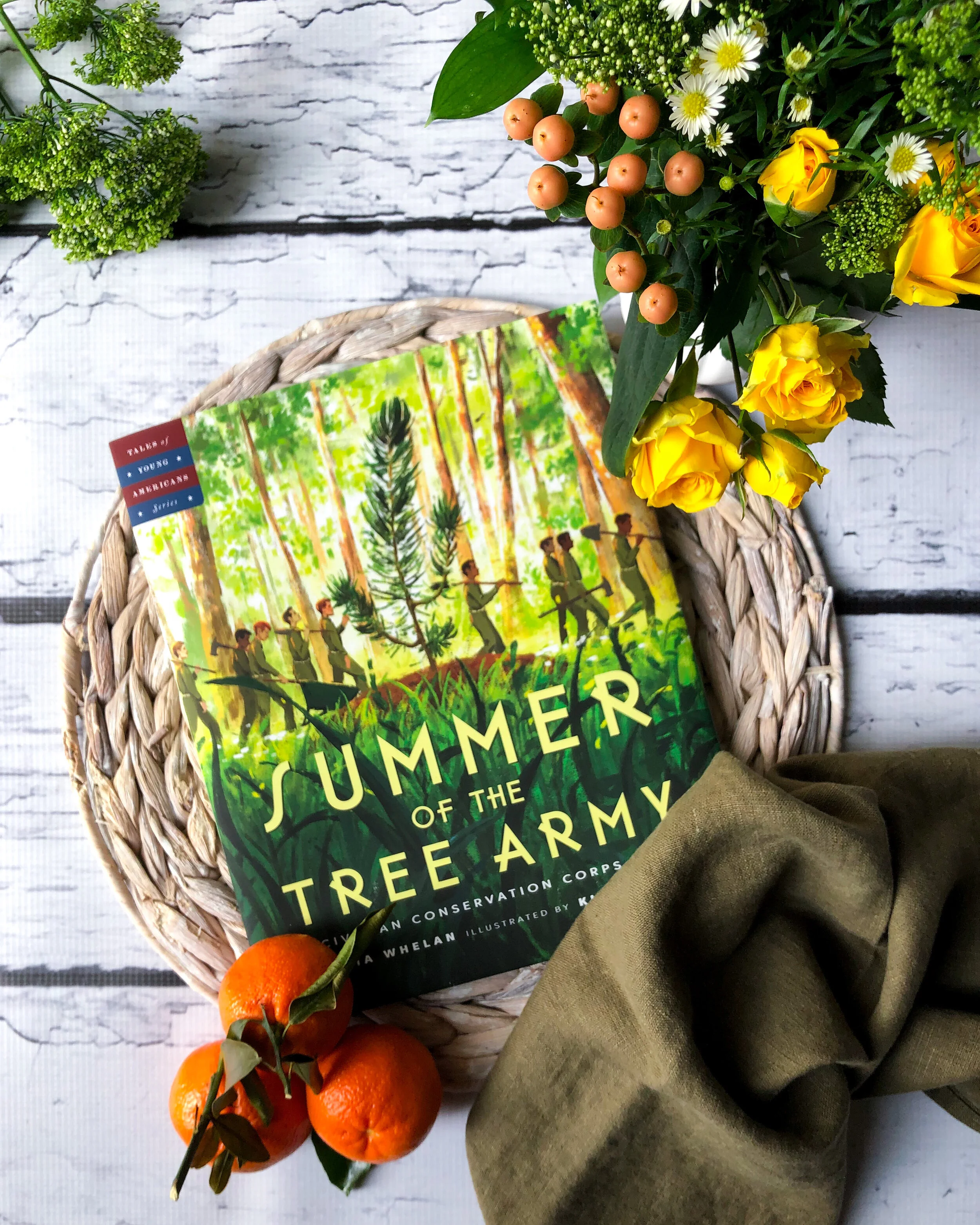
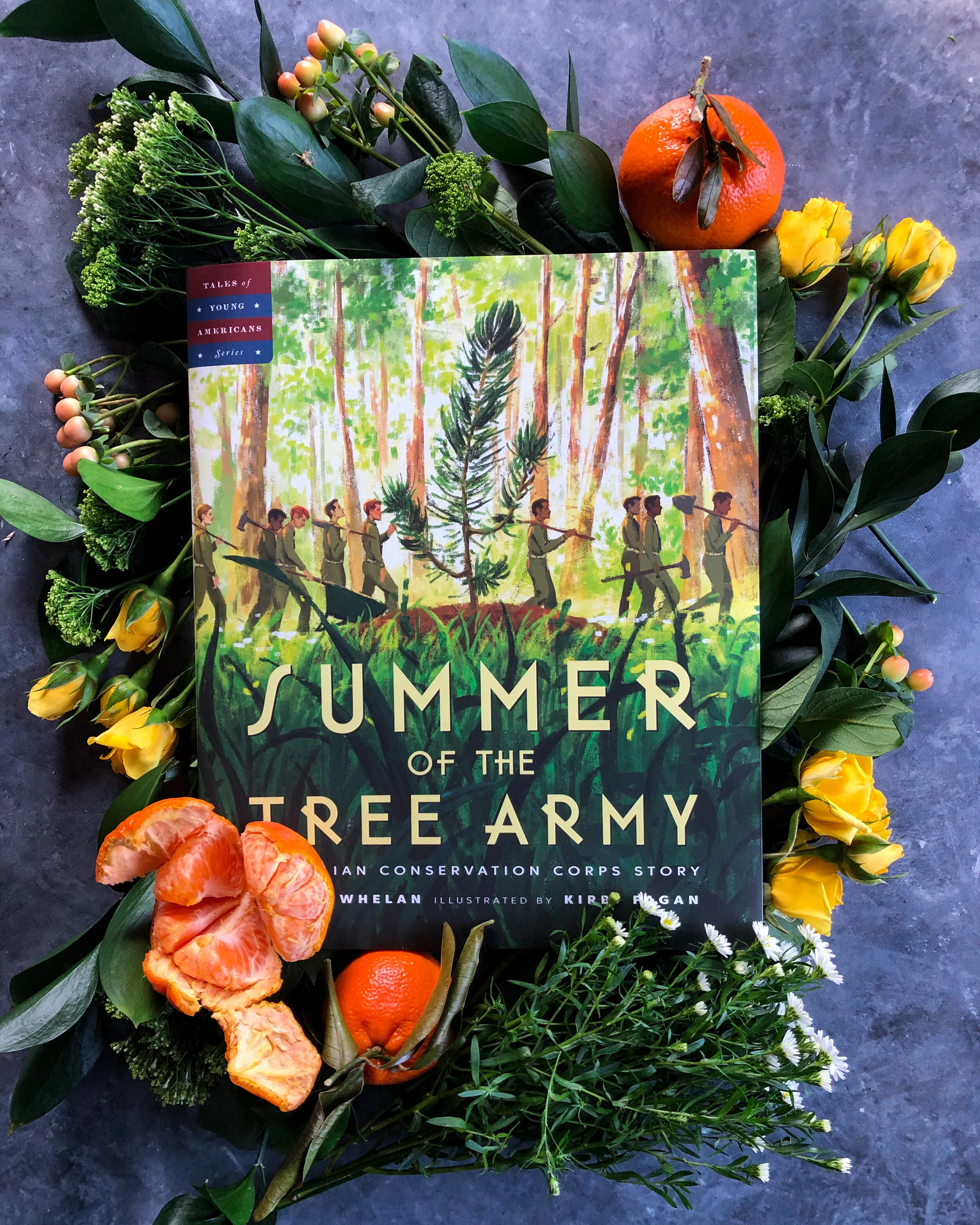
Gloria Whelan is a poet and the award-winning author of many children's books including Homeless Bird, for which she received the National Book Award. Include the Summer of the Tree Army into American history lesson about Roosevelts Tree Army.
Bring history to life in your classroom with this engaging infographic on the Civilian Corps of the Army. Designed with educators in mind, it breaks down key roles, historical context, and real-world impact into clear areas that students can quickly grasp. Use it to spark discussion, support visual learners, and an easy, effective addition to any lesson American history or Michigan history teaching plan.
Free to use Graphics Created by Kirbi Fagan to pair with The Summer of the Tree Army:


Projects for Earth Day: Adopt a National Park
This Earth Day project is flexible enough to delight many ages 2nd-8th. Read The Big Empty to create a hands on learning experience through book tie-in classroom projects.
It’s no secret that today’s educators are searching for engaging, high-impact projects that go beyond the typical research report or science fair. More teachers are now using literature to create hands-on learning through meaningful book tie-in classroom projects especially for celebrations like today - Earth day!
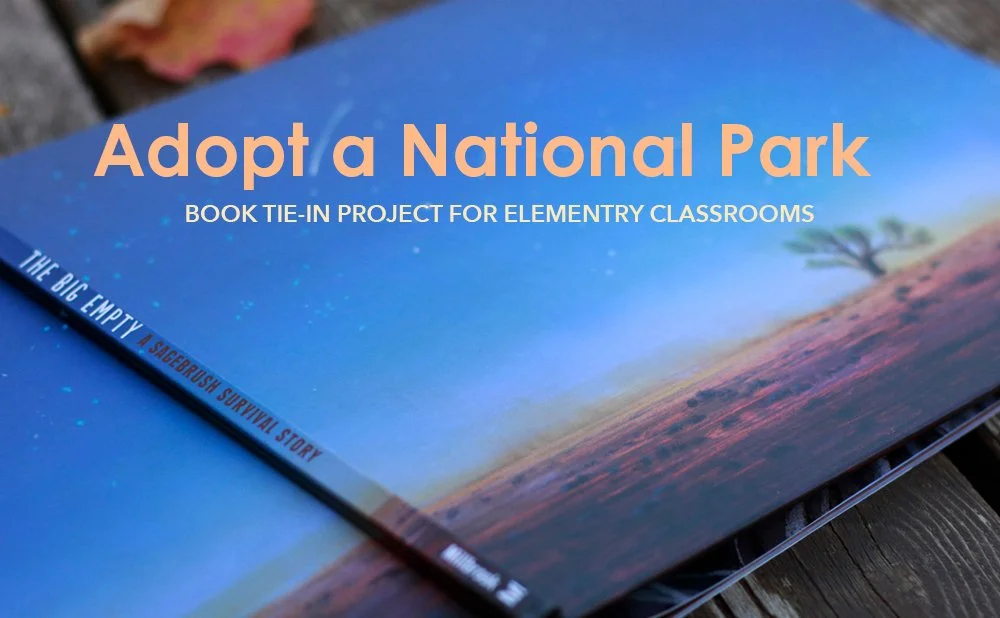
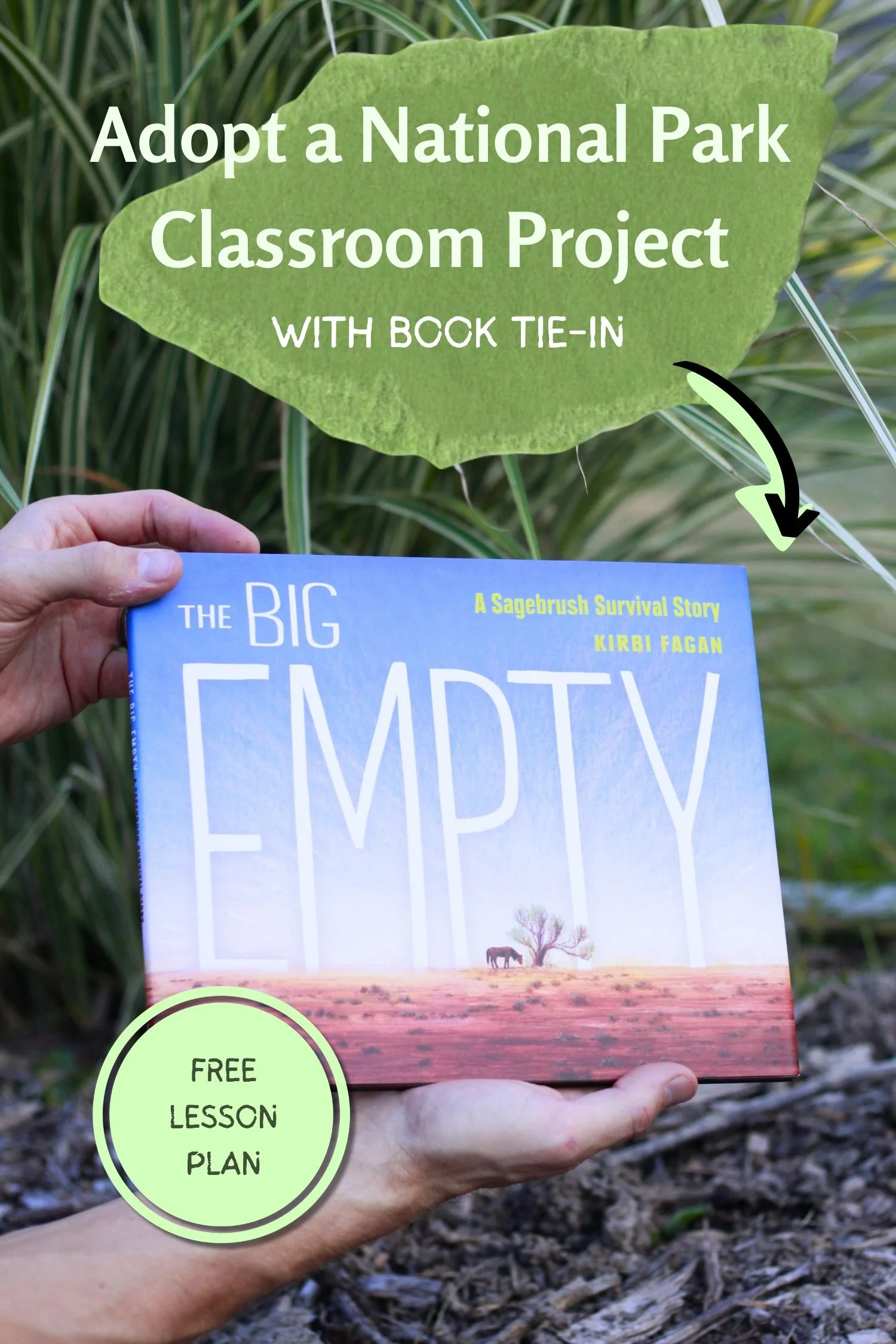
Inspired by The Big Empty from author-illustrator Kirbi Fagan, teachers and homeschoolers can connect environmental storytelling to a real-world project that brings art and science together. This 32-page picture book, told from the perspective of a sagebrush, introduces children to the plant’s resilience and its importance to the harsh ecosystem it calls home, “The Big Empty”.
Students can use the sagebrush as inspiration to give nature its own voice through a National Park classroom project. The “Adopt a National Park” Poster Project is a cross-curricular ELA science project that provides a creative way to teach conservation through literature and promote environmental protection.
Turning Storytime Into Stewardship:How a Single Picture Book Can Inspire Young Conservationists
The Big Empty uses kid-friendly, poetic language to introduce complex ecological concepts, making it ideal for grades K–4. The story revolves around resilience, showing how the sagebrush revives its environment after a fire destroys everything. It also highlights interconnection by showing how the plant provides shelter and food for the animals that live there.
By exploring these themes, students begin to understand the importance (and challenges) of conservation while developing empathy for nature. To deepen their comprehension, teachers can tie these themes into a classroom conservation activity, the National Park poster project.
This “sagebrush survival story” takes place in the deserts of the Western U.S., which includes National Parks such as Joshua Tree National Park and Death Valley National Park, but this “Adopt a National Park” poster project can extend to National Parks across the country. Other National Parks, such as Yellowstone National Park, are home to similar plant communities. This encourages students to discover the “essential plant” or key species in their adopted park.
Double the Impact: From Nature’s Voice to Human Action
To further extend the theme of conservation, pair The Big Empty with another book illustrated by Fagan, Summer of the Tree Army. Two books with one powerful message: Nature always finds a way.
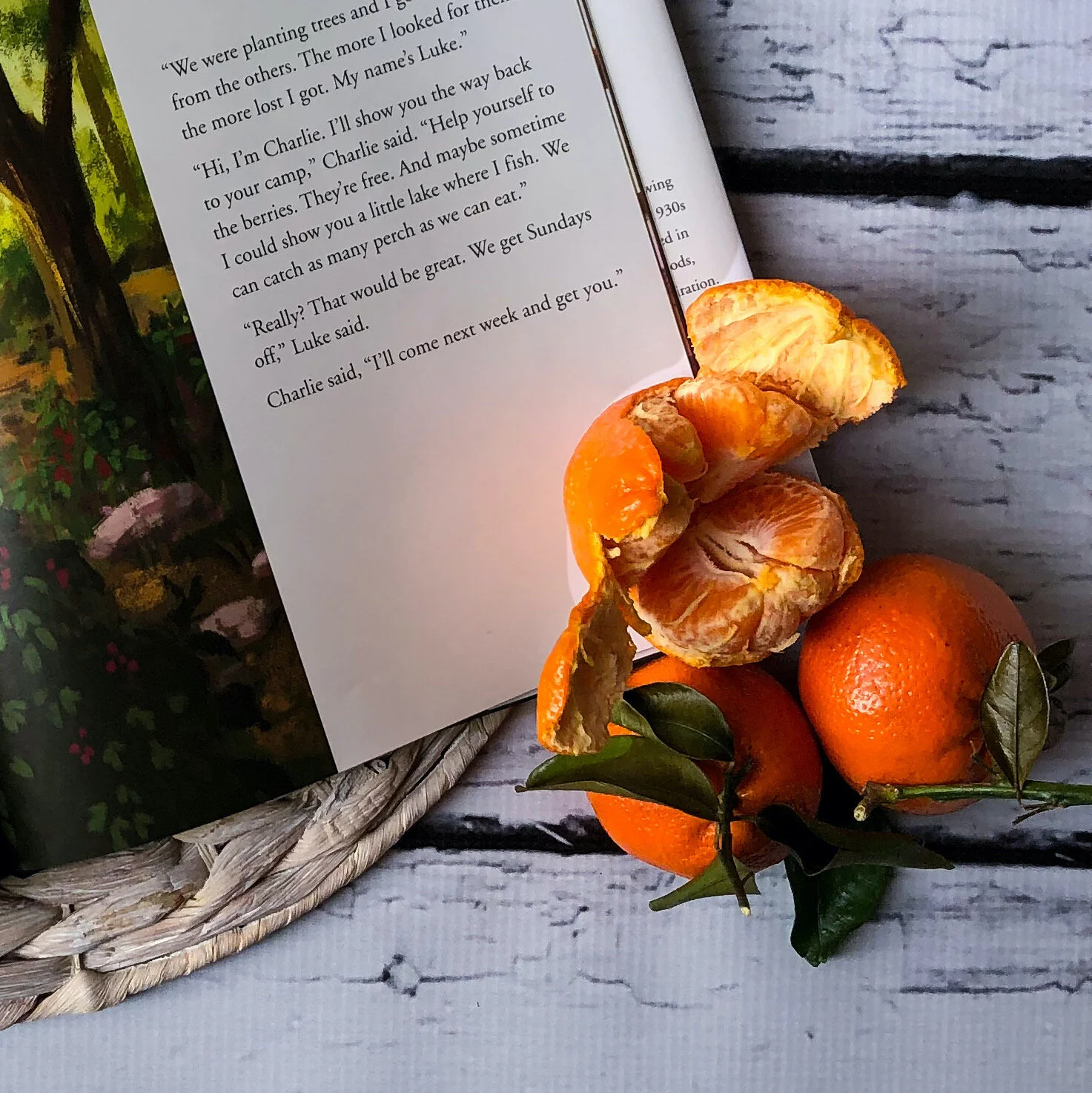
This book explores the Civilian Conservation Corps (CCC). This program helped shape and protect many of our national parks during the 1930s, showing how people have historically worked to protect and restore land. It follows a boy named Charlie in northern Michigan who learns about the work of the CCC as they help in forest conservation, planting trees, building infrastructure, and fighting fire.
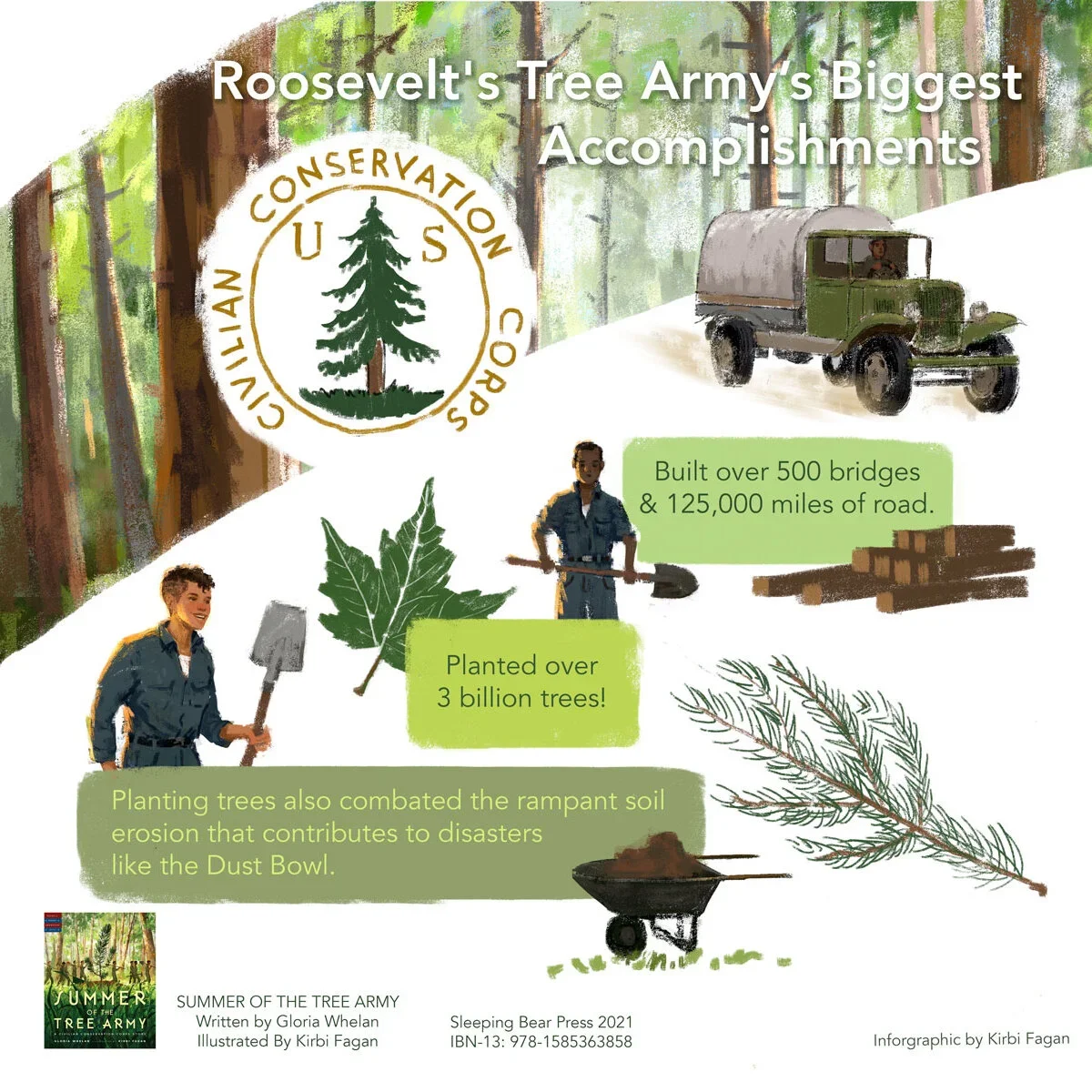
A key moment in the story comes when a forest fire threatens Charlie’s home, and the CCC crew of young men works to contain it, showing the value of conservation labor and stewardship. This historic movement shows students that young people have always played a role in conservation.
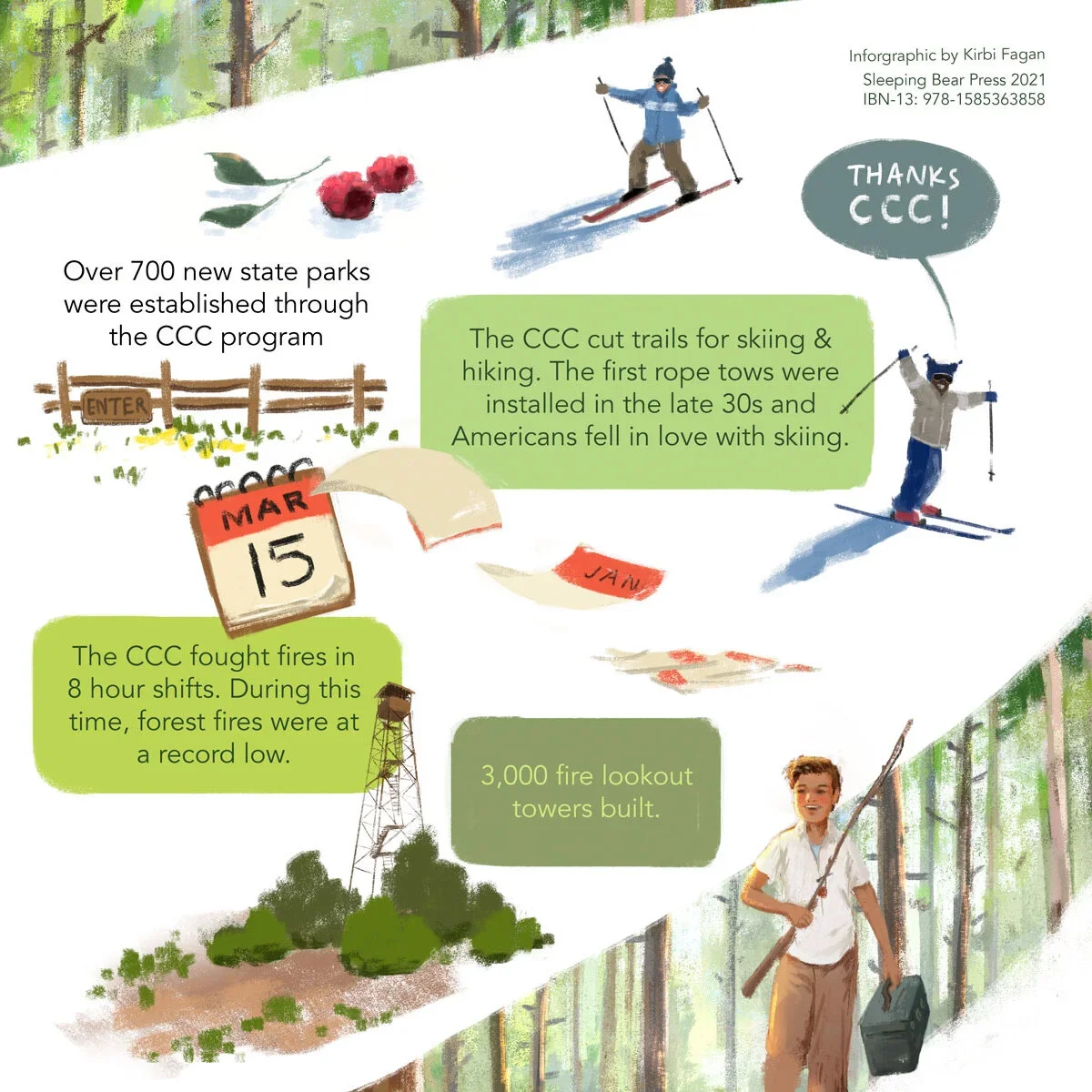
By pairing these stories, educators show different narrative approaches to conservation, deepening students’ understanding of stewardship before they begin the poster work.
Give Nature a Voice: The ‘Adopt a National Park’ Classroom Project
Using The Big Empty as a model for perspective writing, students can “speak for” their chosen or assigned National Park. This “Adopt a National Park” classroom activity can be done individually or in small groups, making it adaptable to classrooms, homeschooling, and library settings.
The students “adopt” one U.S. National Park to research and create a poster that includes three important elements:
Unique Wildlife/Ecosystem: What makes this park special? What animals and plants call it home?
Why It Needs Protection: What are the threats affecting the living things that call this park home (climate change, human impact, etc)?
How to Help: What is at least one action kids can take to help preserve it? (students might use examples from the CCC, such as tree planting, fire fighting, or trail restoration)
Through this environmental action project, students blend creativity with research and persuasive writing to inspire others to take action for the planet.
Make it Simple: How to Bring This Conservation Poster Project to Life
Here’s how to bring this project to life in your classroom.
STEP 1: Introduce the Theme — Anchor the project’s themes by leading a class discussion around the books, such as:
What is worth protecting in this story’s setting?
What are the essential plants and animal species of your chosen park?
What does the sagebrush give the animals?
Imagine your National Park lost its one special animal or unique plant. How would the story of that park change?
After the discussion, assign or let students choose their “Adopted Park” from a list of U.S. National Parks. Then, review the project guidelines together.
STEP 2: Research Phase — Provide reliable kid-friendly research sources like NPS.gov’s kids page and reputable conservation sites to gather factual data for their park. For design inspiration, provide links to vintage WPA-style National Park posters.
To help guide their research, create a graphic organizer structured around the three required poster elements (Wildlife, Threats, Action).
STEP 3: Poster Creation — This step is all about encouraging creativity and should be broken into two parts:
Part 1: Create a rough draft — Students use their notes to draft clear, persuasive text for their poster. Next, the students will decide on the high-impact visuals or ideas for their design. For older students, encourage them to replicate The Big Empty’s poetic tone within the poster’s text.
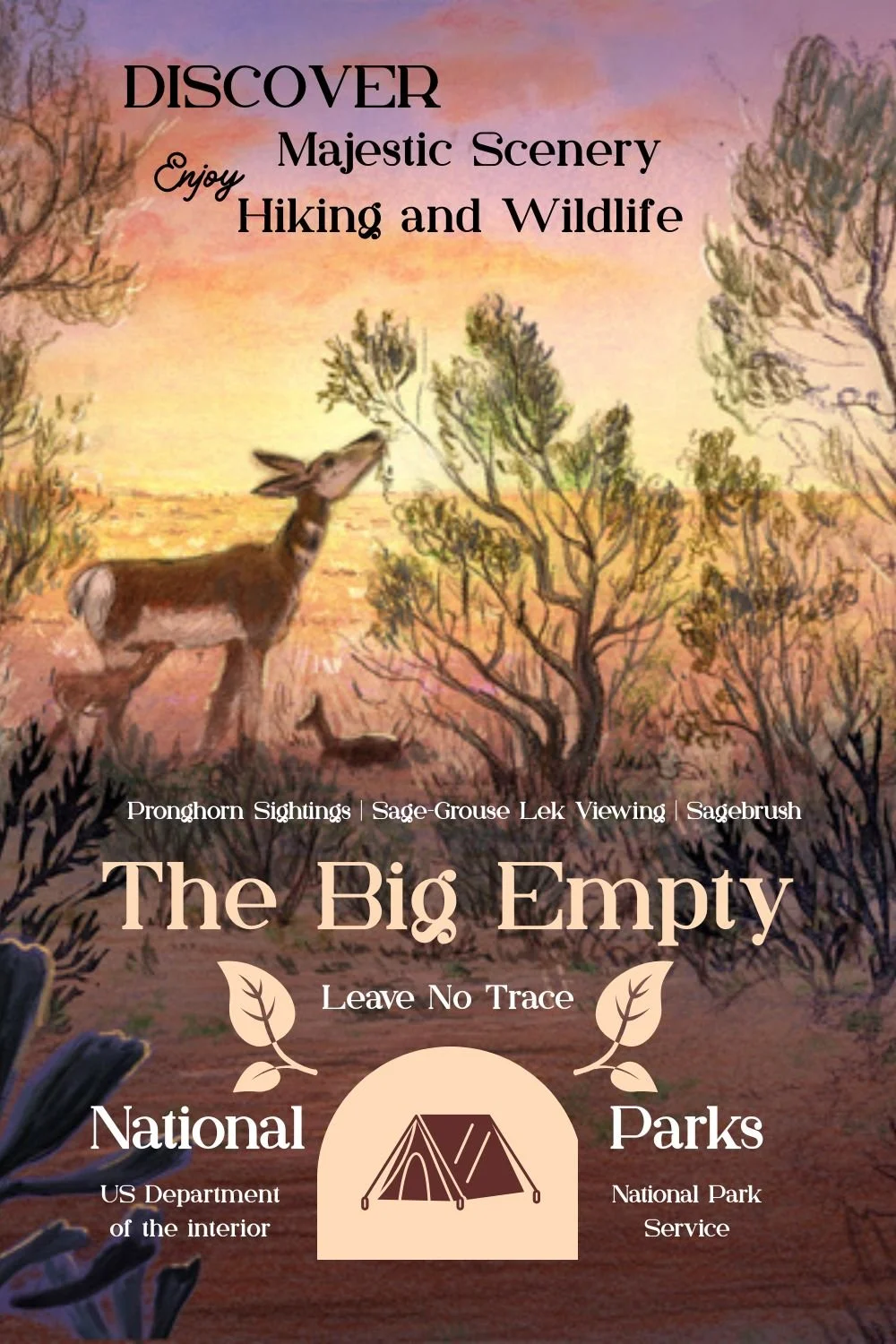
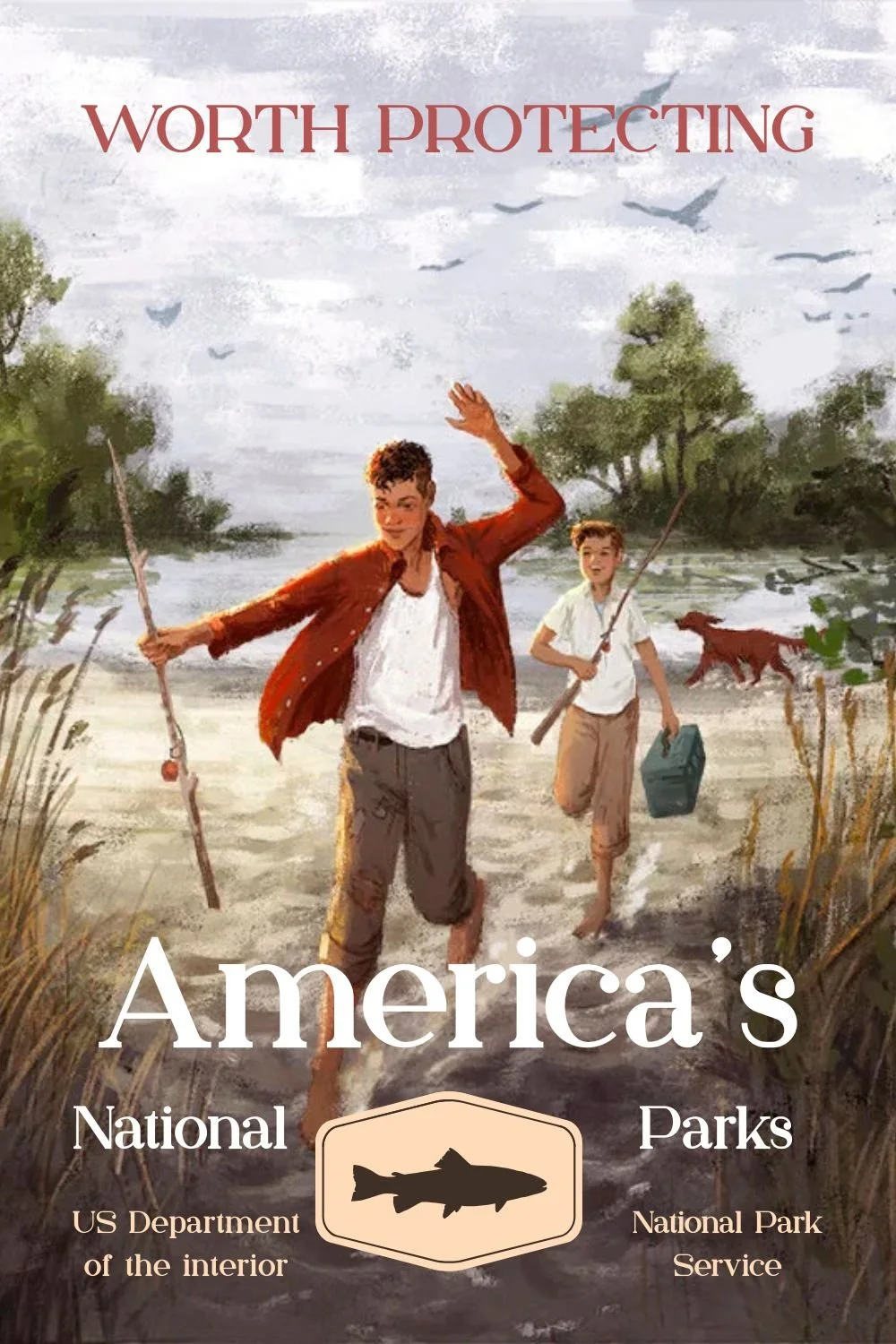
Part 2: Design the poster — Using the guidelines provided, students can start designing their poster, including the park name (or making up their own,) the three required content elements, and an iconic image that defines the park’s spirit. Students transfer their drafts and designs to an 11×17 poster.
Along with the project guidelines, you can provide students with suggestions for art and topics to include on their posters.
Daytime vs Nighttime
Animals
Plants
Tourists
Landmarks
If the guidelines require students to create artwork for the poster inspired by the type of illustration used in The Big Empty or The Summer of the Army, provide tips they can use to simplify the process of creating the art piece:
Landscape: Help students understand the concept of landscape by having them consider the foreground, middle ground, and background of the setting. Ask them to point out what is closest to them and how large it is compared to items in the middle and background, which are smaller.
Focal Point: The focal point should instantly tell the viewer what the poster is about. Instruct students to determine what they want the audience to notice first. For this specific project, that may be:
A key animal species
A landmark
A conservation message
Tips to emphasize:
Placement: Place the focal point near the center, or use the Rule of Thirds.
Scale: The focus should fill a significant portion of the poster space.
Contrast: Use a contrasting color or sharp detail to make the focal point pop against a simplified background.
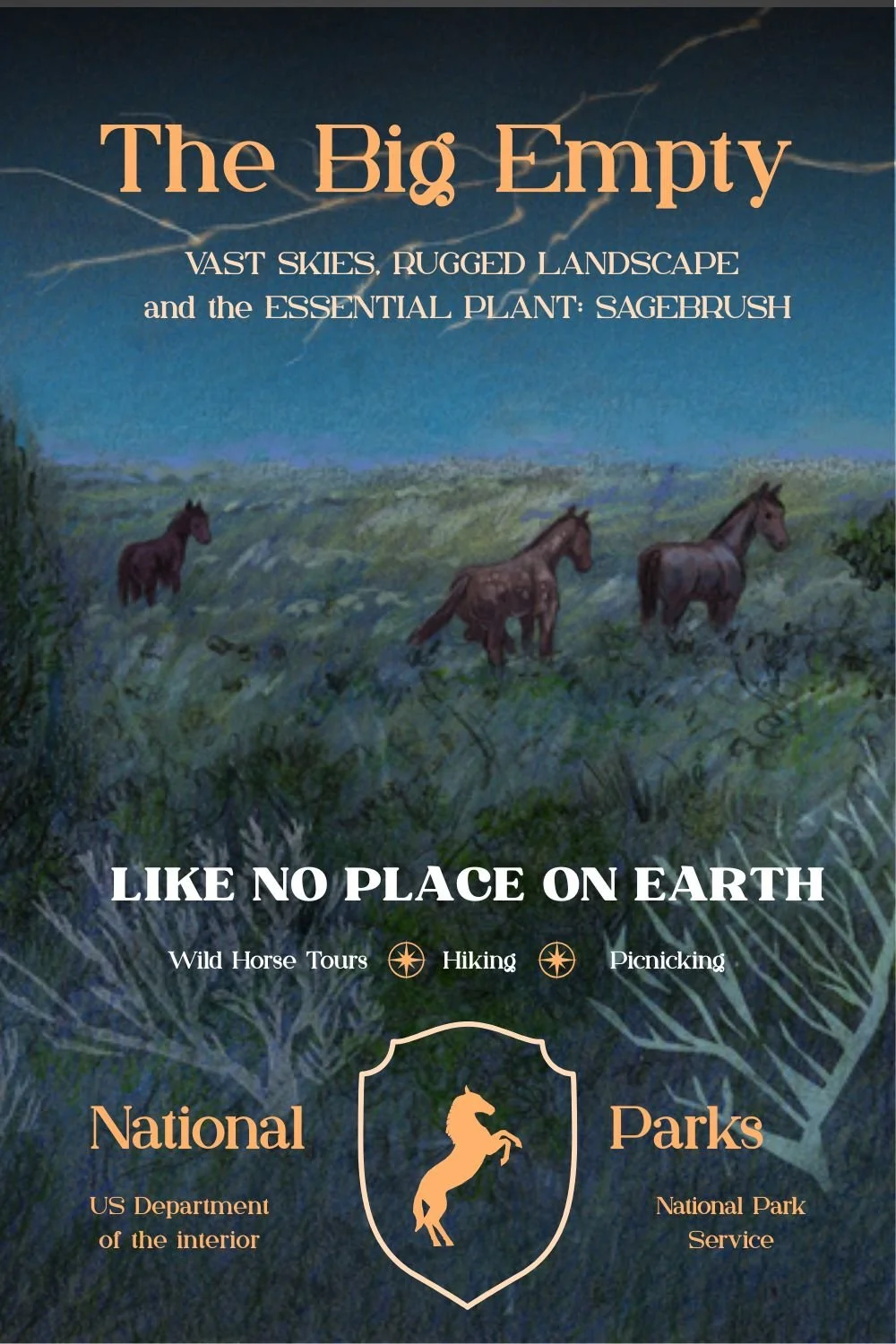
Limited Palette: Suggest using only 3–5 colors, similar to the vintage WPA-style posters. This helps unify the design and makes coloring less overwhelming.
Mix Art and Text: Remind students that text is part of the artwork. Typography is just as powerful as images in communicating the message. The words should be part of the artwork, not just placed on top of it. Encourage them to use bold, striking fonts or hand-lettering that complements the image.
STEP 4:Present & Display — Students present their posters to the class by making a 1-2 minute pitch on why their park is important and what actions the class can take to help. As they are presenting, students should connect back to the stories used to inspire the project by showing how resilience and interdependence are vital in all National Parks.
After all presentations, host a classroom “National Parks Gallery Walk” where students can explore one another’s work and learn more about the country’s beautiful parks.
Beyond the Poster: Fun Ways to Elevate Your National Park Project
You’ve done the heavy lifting. The research is complete, and the posters are brilliant! But the learning doesn’t have to stop there. Transform that hard work into high-impact community and cross-curricular events.
Get Everyone Involved: Turn it into a school-wide event for Earth Day or National Park Week, or display the posters in a community center or library to promote conservation awareness.
Add Creative Writing: Ask students to write a short story or poem from the perspective of their park’s wildlife to include on the poster.
Virtual Exploration: Incorporate a virtual field trip using National Park Service online tours.
Art Extension: Have students create artwork inspired by Fagan’s illustration style (pastel, colored pencil, collage) to represent their parks on the poster.
Invite a Guest Speaker: Connect with a local park ranger, wildlife expert, or conservation group for a virtual or in-person Q&A. Students can prepare questions about protecting local habitats and national parks.
More Than a Poster: The Lasting Lessons That Stick Beyond the Grade Book
When students create their “Adopt a National Park” posters, they’re not just completing an art or science project… they learn what it means to care for the world around them. The “Adopt a National Park” poster project turns abstract concepts like ecosystems, conservation, and empathy into something students can see, feel, and create. The best part? The lessons stick long after the posters come off the wall.
Reinforces Cross-Curricular Learning: This project seamlessly blends reading, science, art, and environmental studies, making it a great hands-on way to meet multiple learning objectives in one activity. Students use:
Literacy skills to understand the books
Research and analyze scientific facts about their national park
Express their learning creatively through poster design and writing
Encourages Real-World Awareness and Advocacy: Students learn that even small actions, like reducing waste or spreading awareness, can make a meaningful impact. Students take ownership of their park, explore real-world environmental issues, and become advocates for conservation.
Helps Students Connect Emotionally with Nature: By personifying the environment through The Big Empty, students form empathy and emotional connections with wildlife and ecosystems. This personal connection helps foster a deeper respect for the planet and a lifelong sense of environmental responsibility.
Builds Research and Critical Thinking Skills: As students research their chosen park, they learn to identify credible sources, summarize key points, and think critically about environmental issues.
Fosters Creativity and Expression: Students get to blend imagination with learning. The project invites creative expression while reinforcing factual accuracy, providing a balance that makes learning stick.
Promotes Collaboration and Communication: When done in groups, this project nurtures teamwork, communication, and decision-making. Students learn to divide tasks, share ideas, and present their work.
Let’s Grow the Next Generation of Conservationists… One Classroom at a Time
Ready to bring conservation to life in your classroom? Start your own ‘Adopt a National Park’ Poster Project today! By using stories like The Big Empty and Summer of the Tree Army, educators can inspire real-world stewardship in young children. The “Adopt a National Park” poster project transforms a book into an impactful, hands-on learning experience that brings conservation to life.
To create an entire lesson plan around ecosystems and habitats, read our post showing educators how to use The Big Empty educators’ guidewith printable worksheets, vocabulary words, and more that can be used alongside the national park project.
This project was created and writted by Courtney Novack